
"I Was Done With PT": Why Jillian's Achilles Needed a Whole-Body Look

"I Was Done With PT": Why Jillian's Achilles Needed a Whole-Body Look

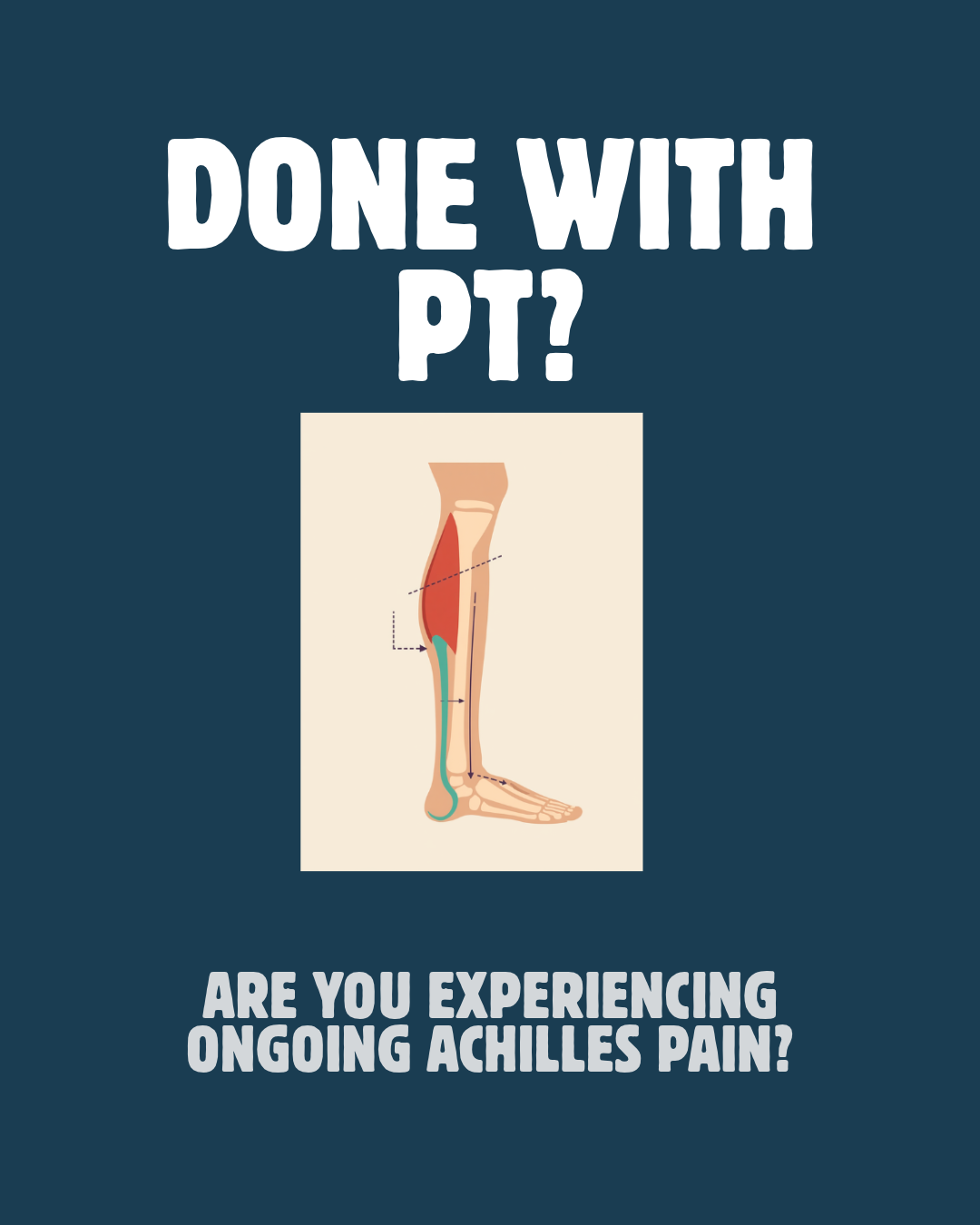
Jillian did every calf and Achilles exercise there is, saw multiple PT clinics, and nothing changed — because the problem was never just her Achilles. A whole-body evaluation at HealthFit in Pasadena uncovered hypermobility driving compensatory muscle gripping, years of faulty knee tracking from basketball, and a chain of forces loading her Achilles from above. By working upstream through the hips, glutes, and core instead of chasing the sore spot, Dr. Shaina Ung addressed the cause, not just the source. Over a year later, Jillian hasn’t thought about Achilles pain once — and she’s planning a thru-hike on the John Muir Trail.

Read More
Can Poor Sleep Cause Back Pain? What 26,000 Sleep Trackers Found

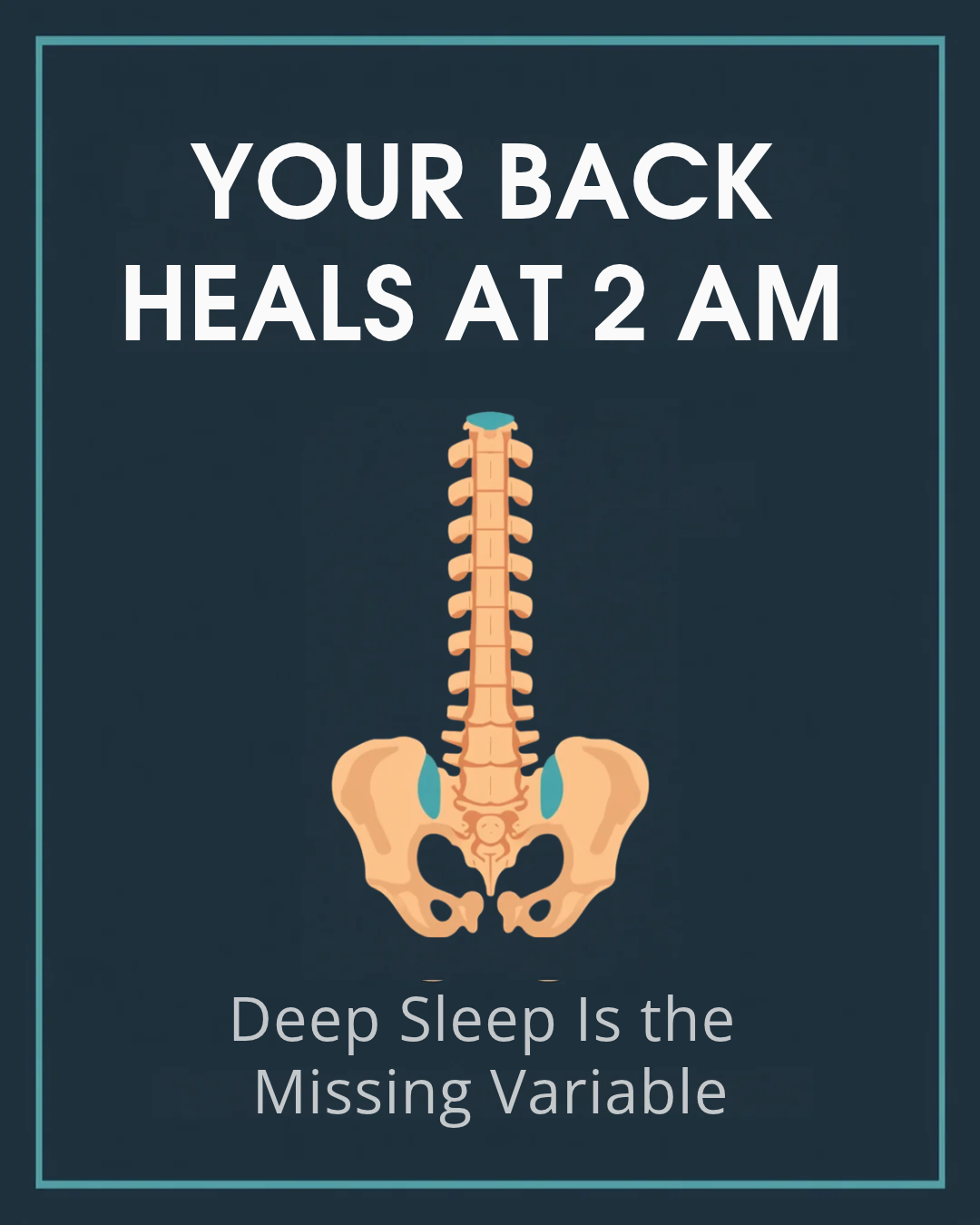
Can Poor Sleep Cause Back Pain? What 26,000 Sleep Trackers Found

A 2026 study tracking 26,852 adults over an average of 839 nights each found that people with the least deep sleep were far more likely to develop chronic low back and hip pain — and the link held even after removing the last year of data before diagnosis, so pain wasn’t just wrecking sleep. At HealthFit in Pasadena, Dr. Jason Han calls this the 2 AM Variable: the part of your recovery nobody sees because you’re unconscious when it happens. The Source-Cause-Stack approach treats the tissue that hurts while addressing the recovery system running on a deficit — because your back doesn’t only heal on the table, it heals at 2 AM.

Read More

Preventive Physical Therapy: Why Pros Get a Preseason and You Should Too

Preventive Physical Therapy: Why Pros Get a Preseason and You Should Too

Every pro athlete gets a preseason screening before they step on the field — strength, mobility, balance, and engine capacity all measured before anything hurts. At HealthFit in Pasadena, Dr. Jason Han brings that same standard to everyday athletes through the Longevity Blueprint: a baseline built around your body, your weak links, and the Source-Cause-Stack approach. Research shows strength training alone cuts sports injuries to less than a third, but only when it’s built before the injury. Quiet decline in your tissue and capacity doesn’t send a warning — it just waits for the day something gives. A preventive visit finds it first.

Read More

The Pickleball Injury That Sends Players Over 60 to the ER Is the Fall

The Pickleball Injury That Sends Players Over 60 to the ER Is the Fall

The pickleball injury most likely to send a player over 60 to the emergency room isn’t a sore elbow — it’s a fall. ER visits for pickleball injuries jumped from 1,300 in 2014 to over 24,000 in 2023, with falls more than twice as likely in the 60-to-79 age group. Dr. Jason Han breaks down the chain that leads to a broken wrist: a backpedal for a lob, a balance and reaction gap nobody measured, and bone that has quietly gotten thinner. At HealthFit in Pasadena, the Source-Cause-Stack approach treats the wrist and trains the cause — balance, leg strength, footwork, and bone loading — so players stay on the court for years.

Read More

One Family, Three Injuries: A Torn ACL, a Hip Fracture, and a Mom Who Put Herself Last

One Family, Three Injuries: A Torn ACL, a Hip Fracture, and a Mom Who Put Herself Last

When Taylor tore his ACL during football season, his first thought was that college baseball was over. When Alyssa fractured her hip just as she made the competitive dance team, she wondered if she’d ever perform again. And their mom Gina kept putting her own pain last. At HealthFit in Pasadena, Dr. Wayne Wu built a separate plan for each of them — objective return-to-sport testing for Taylor’s knee, sport-specific movement retraining for Alyssa’s leap, and real tools for Gina to manage the wear of teaching and parenting. Research shows that athletes who skip return-to-sport criteria face four times the re-injury risk, which is why HealthFit tests before clearing — not guesses.

Read More

His MRI Showed No Tear. His Shoulder Still Would Not Lift.

His MRI Showed No Tear. His Shoulder Still Would Not Lift.

A clean MRI does not always mean a healthy shoulder. After 36 years in the fire service, Rich Schneider’s rotator cuff was worn from thousands of repetitions of carrying heavy gear — no acute tear, just decades of accumulation. Ten rounds of traditional physical therapy changed nothing, and he was told to wait up to two years. At HealthFit in Pasadena, the Source-Cause-Stack approach identified the worn tissue as the source and compensatory movement patterns as the cause, then deployed the full Healing Stack — hands-on therapy, targeted exercise retraining, and the Regenerative Stack of EMTT plus focused shockwave — from Day 1. Rich reports he is now 98–99% recovered and pain-free.

Read More

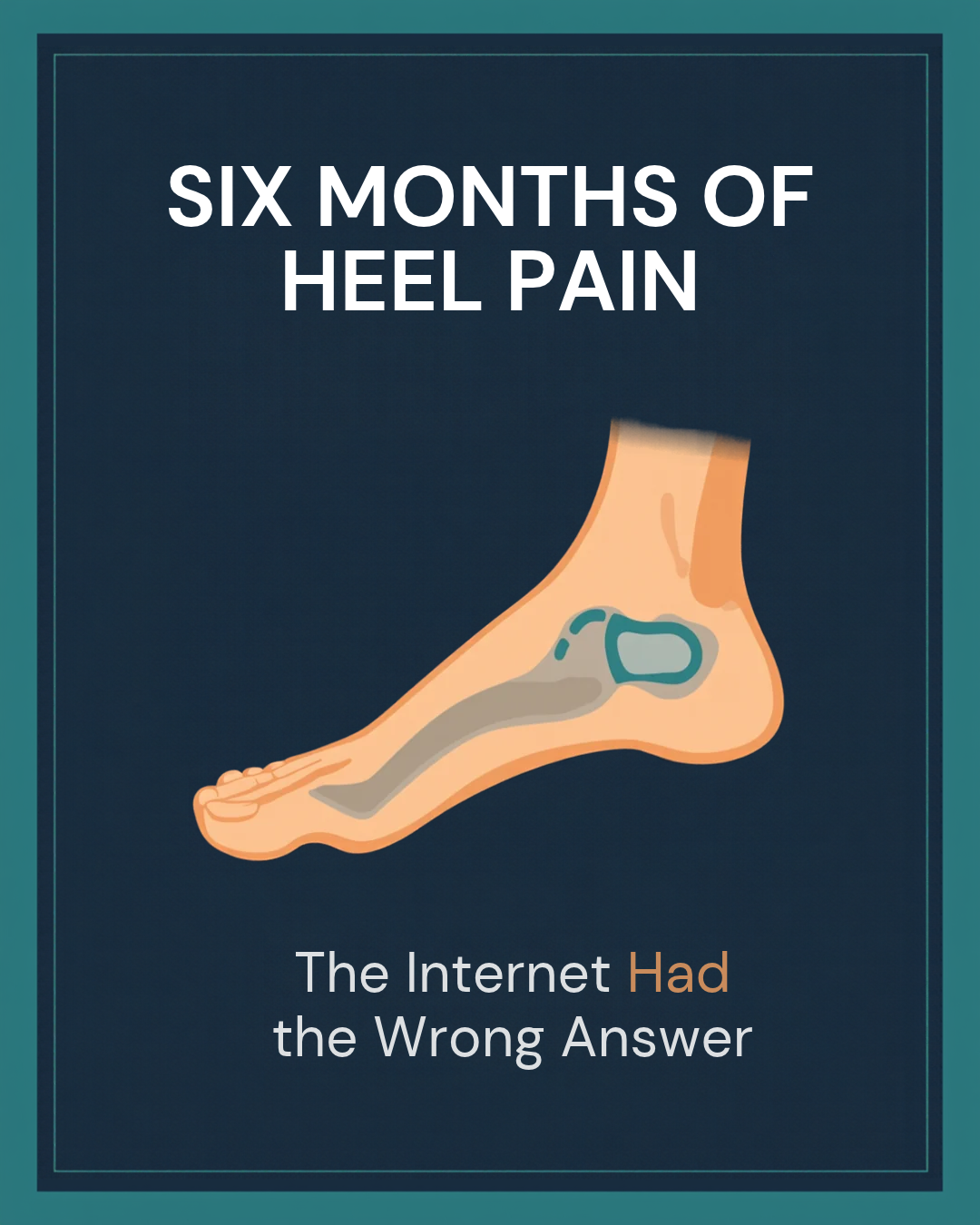
Six Months of Heel Pain, and the Internet Had the Wrong Answer

Six Months of Heel Pain, and the Internet Had the Wrong Answer

Kay stretched her calves every day for six months based on what the internet told her, and nothing changed — because the problem wasn’t her discipline, it was that nobody had examined how she actually walks. A randomized trial found that a targeted high-load strength program beat generic plantar fascia stretching by 29 points on the Foot Function Index. At HealthFit in Pasadena, Dr. Erika found a left foot that turned slightly outward, a car seat leaned too far back, and a dozen small loading habits feeding the pain — the kind of cause the internet can’t diagnose no matter how many threads you read.

Read More

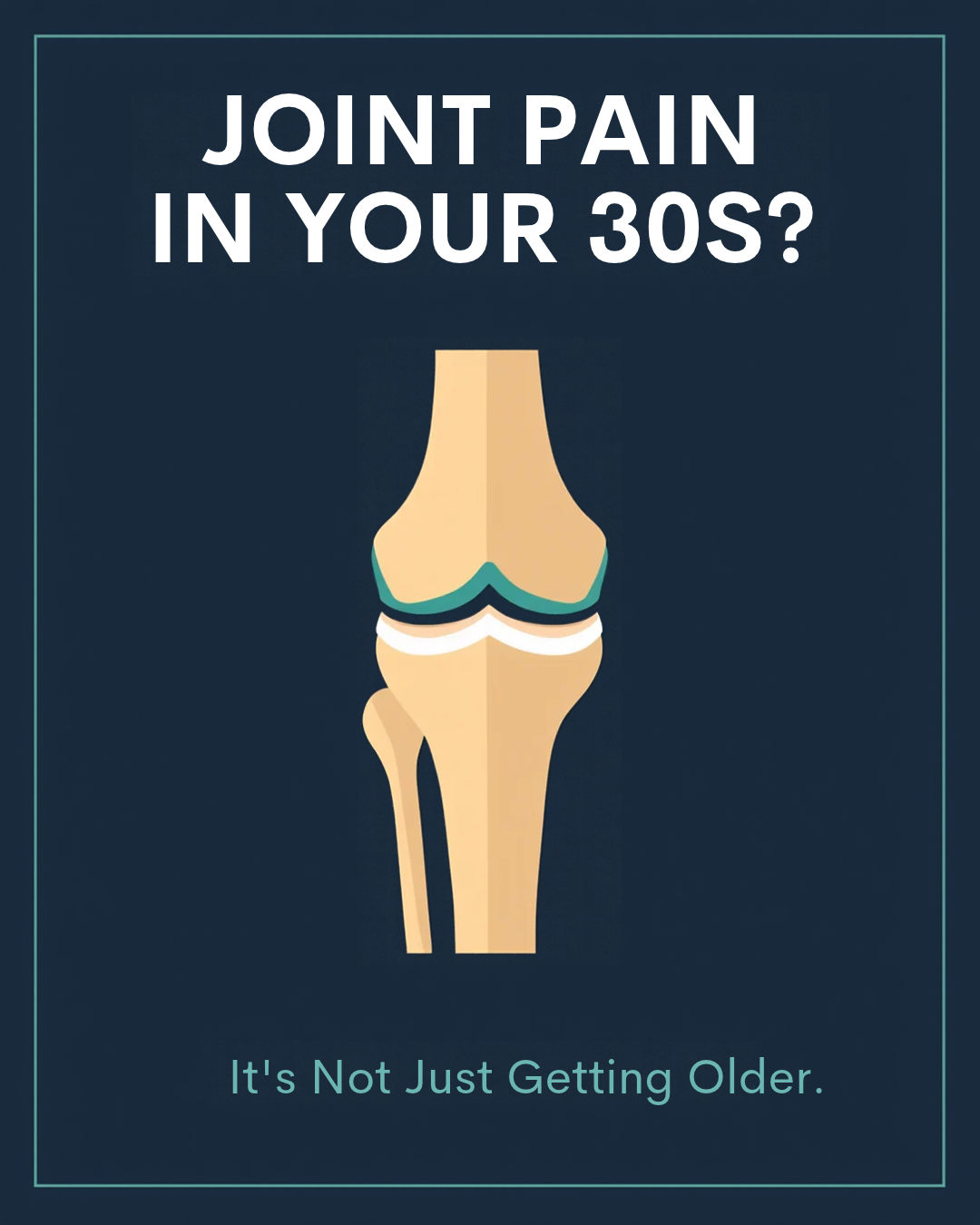
Joint Pain in Your 30s Isn't "Just Getting Older." It's a Trend Line — and You Can Get Off It.

Joint Pain in Your 30s Isn't "Just Getting Older." It's a Trend Line — and You Can Get Off It.

Nearly 33 million people aged 30 to 44 are living with osteoarthritis worldwide, and the fastest growing group in joint pain clinics isn’t retirees — it’s desk workers in their 30s running a pattern of five days starving their cartilage of movement and one day spiking it with a brutal weekend workout. Cartilage has no nerves, so it whispers before it yells, and that morning stiffness at 32 is the cheapest signal you will ever get. At HealthFit in Pasadena, we deploy a Source-Cause-Stack approach — real movement assessment, graded strength work that actually feeds cartilage, hands-on care, and regenerative therapy from day one — because joint health in your 30s is mobility you spend in your 60s.

Read More

How Measurement Makes a Therapist Sharper

How Measurement Makes a Therapist Sharper

In 52 percent of evaluations, clinician performance decreased as years in practice increased — not because experienced therapists are bad, but because failures leave silently while successes stay to congratulate you. At HealthFit in Pasadena, we measure every patient because confidence is a poor proxy for accuracy: a JAMA study found diagnostic accuracy collapsed by 50 points on harder cases while self-rated confidence barely moved. Measurement collapses the guessing loop, finds the real driver in the first session instead of the fourth, and gives every clinician on the team the same standard instead of a coin flip.

Read More

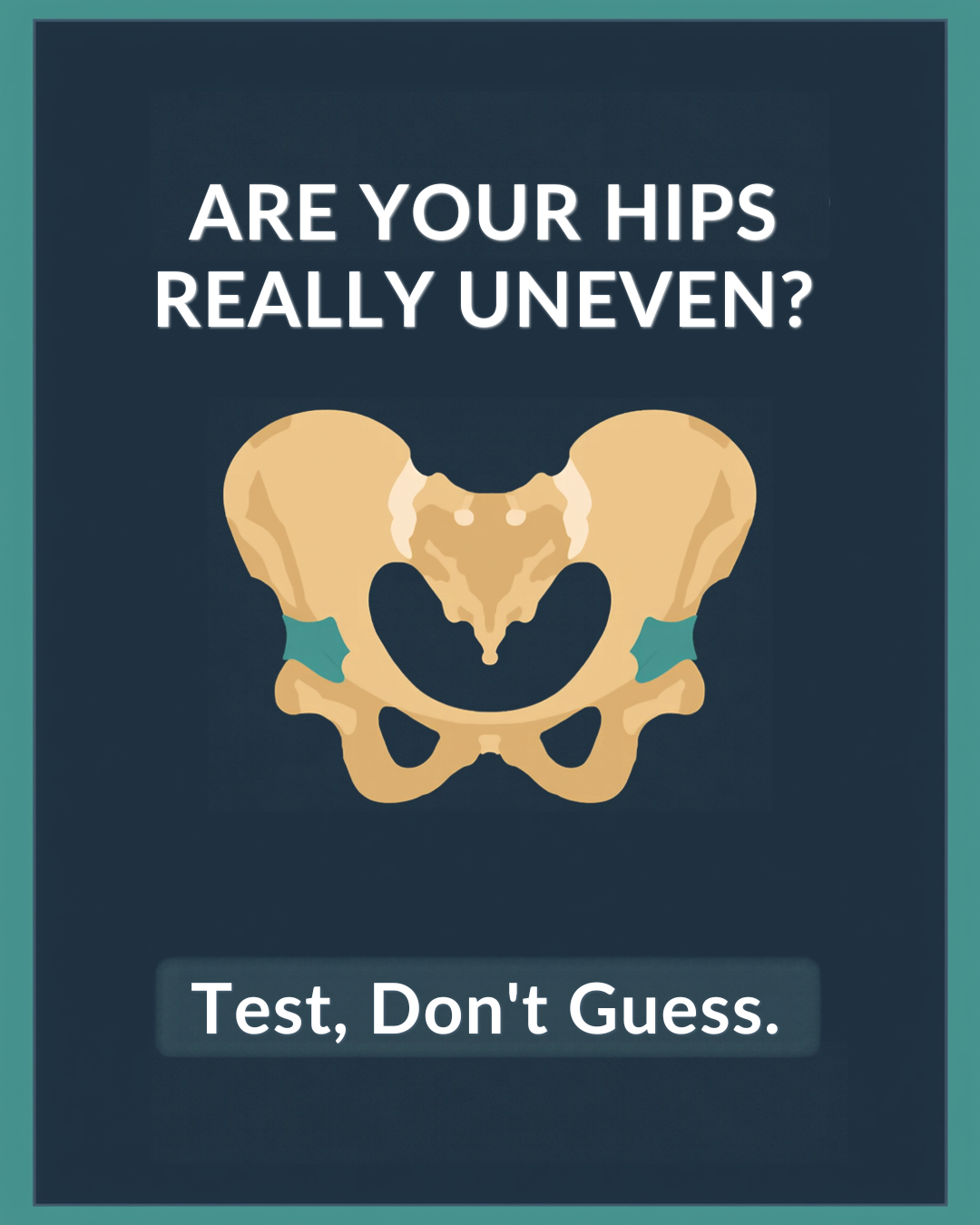
Uneven Hips: What an Alignment Problem Actually Is (and What It Isn't)

Uneven Hips: What an Alignment Problem Actually Is (and What It Isn't)

About 90 percent of people have a measurable leg length difference, but research suggests it usually doesn’t become clinically significant until it reaches around 20 millimeters — four times larger than average. “Uneven hips” isn’t one diagnosis; it’s a clue pointing at a true length difference, a stuck sacroiliac joint, or asymmetric mechanics from years of one-sided habits and lost rotation. At HealthFit in Pasadena, we use a full movement assessment and the Source-Cause-Stack framework to figure out which one you actually have, because an adjustment resets the position but strength work is what makes it stick.

Read More