Pickleball Knee: The Lunge Pattern Your Body Was Never Trained For

Pickleball Knee: The Lunge Pattern Your Body Was Never Trained For

If you've been told you need knee surgery because of pickleball, pause. A New England Journal of Medicine sham-surgery trial showed arthroscopic meniscectomy performed no better than fake surgery for degenerative tears — and 31% of pain-free adults in their fifties already have a meniscus tear on imaging. The tear was likely there long before pickleball. What pickleball exposed was a lunge pattern your body was never trained for — weak hip stabilizers, limited ankle dorsiflexion, poor deceleration mechanics, and a knee absorbing forces it was never designed to handle alone. At HealthFit in Pasadena, Dr. Jason Han treats pickleball knee through the full kinetic chain while using EMTT, focused shockwave, and radial pressure wave to address the degenerated tissue from Day 1. Before you go invasive, let someone look at the whole picture.

Read More
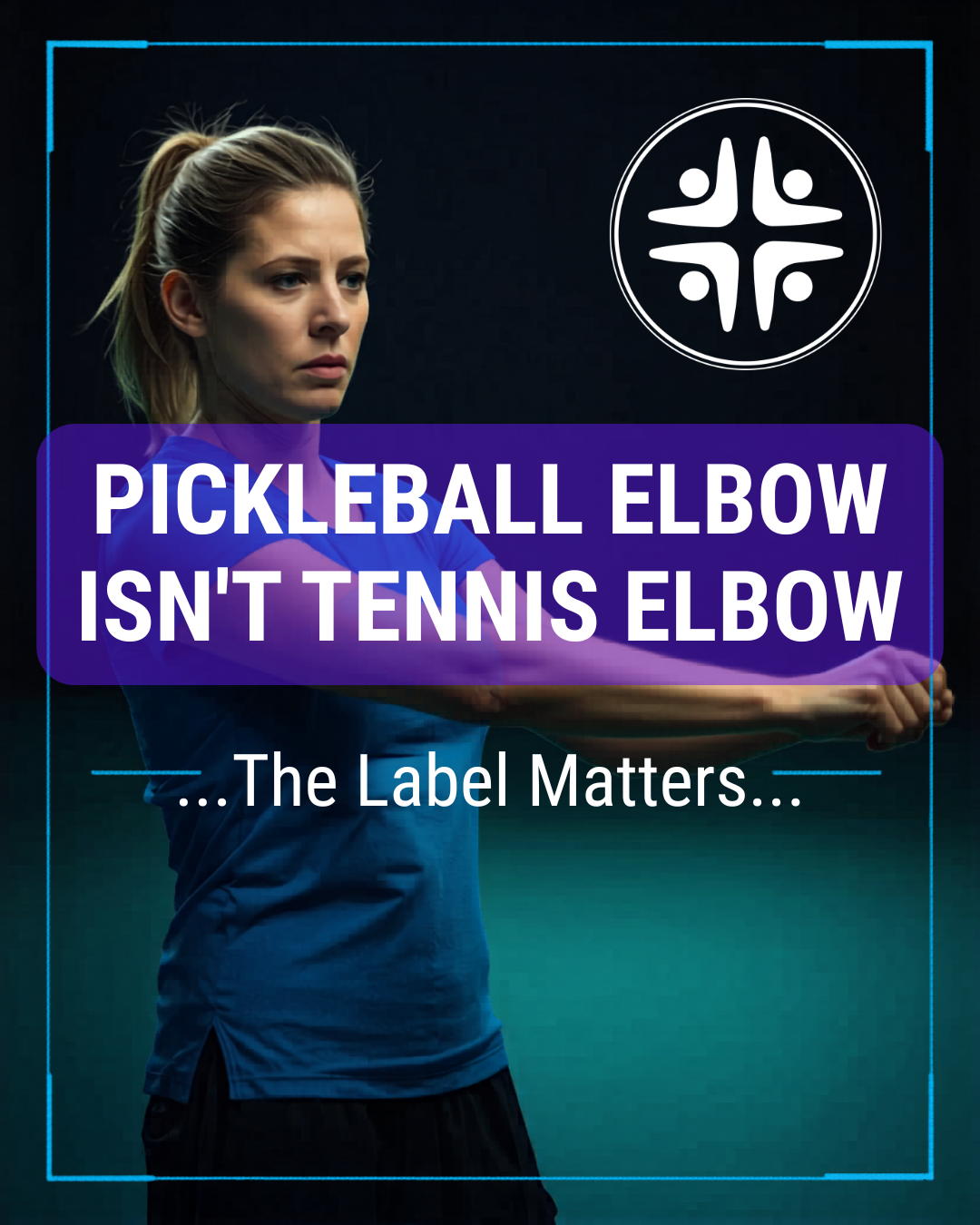
Pickleball Elbow Isn't Tennis Elbow — Why Your Treatment Isn't Working

Pickleball Elbow Isn't Tennis Elbow — Why Your Treatment Isn't Working

If your doctor called your pickleball elbow "tennis elbow," the label is half right — and the half that's wrong is exactly why your treatment isn't working. Pickleball paddles transmit more vibration than strung racquets, the wrist mechanics are shorter and more repetitive, and the average player's tendon already has decades of wear. That's not inflammation — it's degeneration. And the most common treatment, cortisone, has been shown to produce worse outcomes at twelve months than doing nothing at all. At HealthFit in Pasadena, Dr. Jason Han treats pickleball elbow through the full kinetic chain — grip strength, scapular control, cervical and thoracic mobility, hip mechanics — while using EMTT, focused shockwave, and radial pressure wave to stimulate real collagen remodeling in the degenerated tendon from Day 1. The label matters because the label drives the treatment. Treat the right injury, the right way, from the start.

Read More

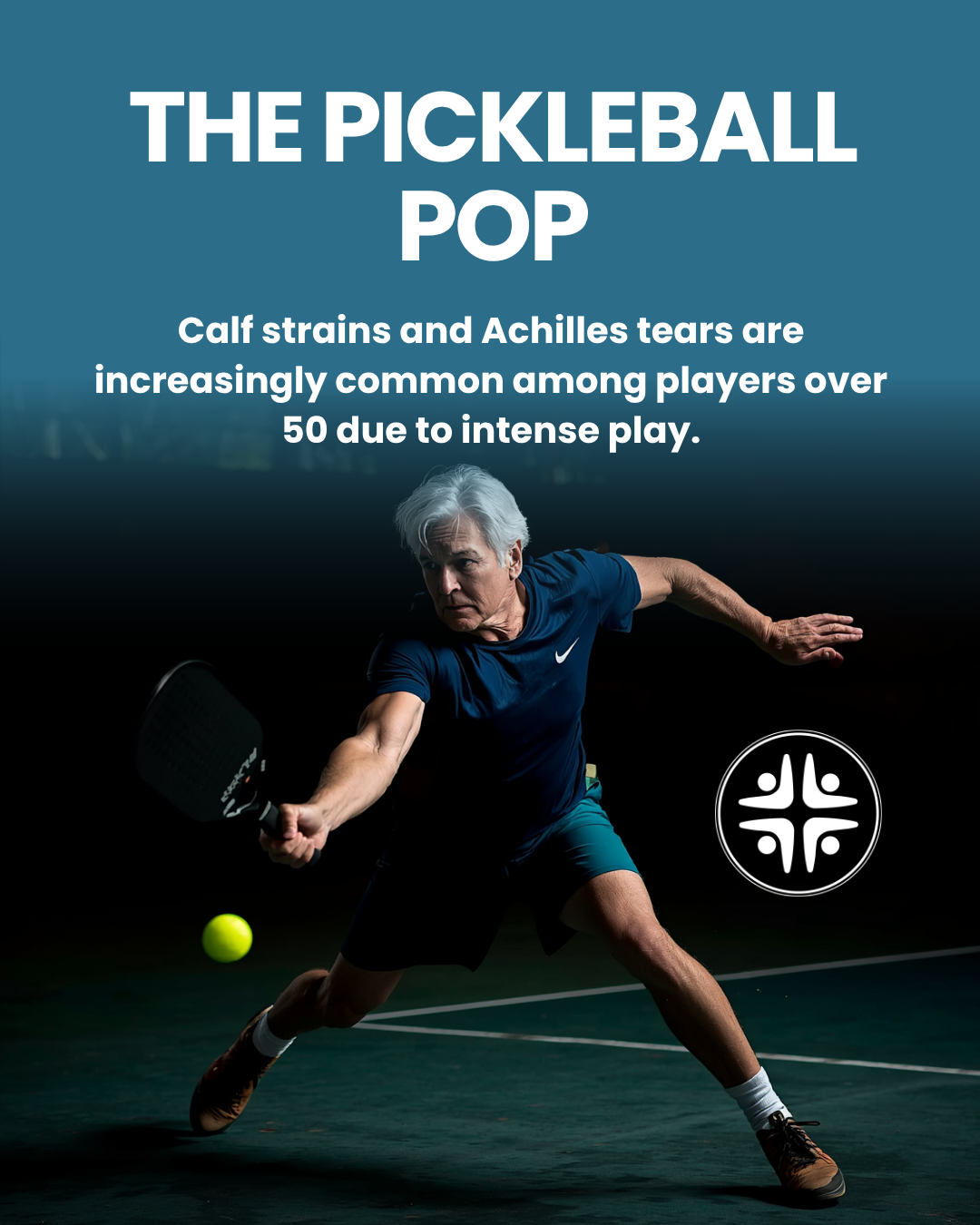
The Pickleball Pop: Why Calf Strains and Achilles Tears Are Surging

The Pickleball Pop: Why Calf Strains and Achilles Tears Are Surging

That pop on the pickleball court wasn't bad luck — it was the end of a process that had been building for years. Research shows over 90% of spontaneously ruptured tendons already had pre-existing degenerative changes before they snapped. Pickleball just exposed the structural threshold with hundreds of explosive push-offs per match on tissue that was already wearing down. At HealthFit in Pasadena, Dr. Jason Han treats the pickleball pop at every layer — the degenerated Achilles or calf tissue with EMTT, focused shockwave, and radial pressure wave, and the upstream mechanics that overloaded it in the first place: limited ankle dorsiflexion, restricted hip extension, weak glutes, and poor deceleration patterns. Rest calms the pain. Treating the source and the cause together from Day 1 is what actually keeps the pop from coming back.

Read More

Pickleball Back Pain: Why Rotation Is Wrecking the Lumbar Spines of Every Player Over Fifty

Pickleball Back Pain: Why Rotation Is Wrecking the Lumbar Spines of Every Player Over Fifty

If your back keeps going out on the pickleball court, the problem isn't your back — it's what your body isn't doing above and below it. Your lumbar spine was built for stability, not rotation. When stiff hips and a locked-up thoracic spine can't rotate, every forehand, backhand, and dink dumps rotational force into the one segment that was never designed for it. At HealthFit in Pasadena, Dr. Jason Han uses the Source-Cause-Stack framework to treat pickleball back pain at every layer — restoring hip rotation, thoracic mobility, and glute function while using EMTT, focused shockwave, and radial pressure wave to heal the facet joints, discs, and paraspinal tissue that years of compensated rotation have broken down. You don't have a back problem. You have a rotation problem. Treat the right one, the right way, from Day 1 — and stay on the court.

Read More

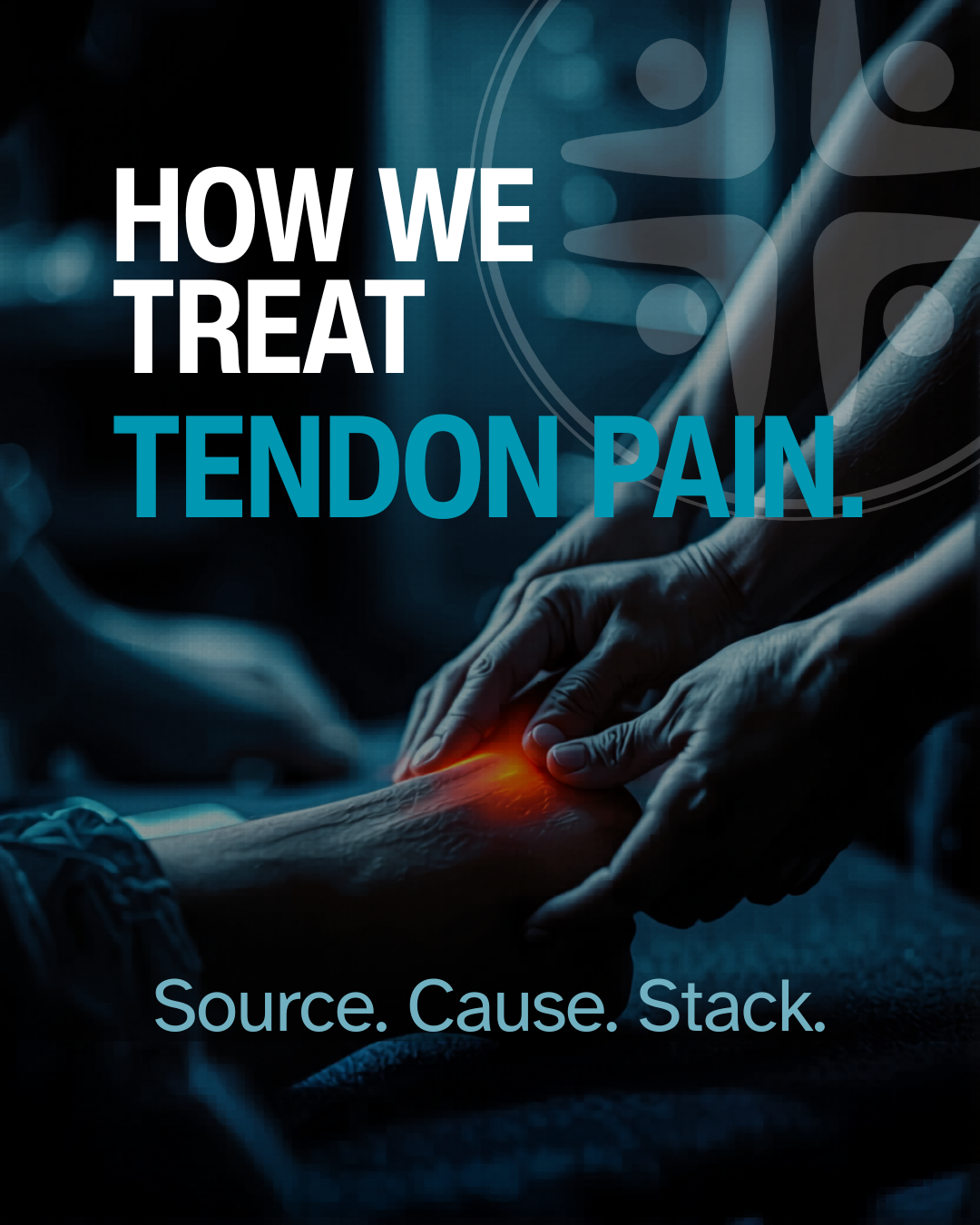
How We Treat Tendon Pain at HealthFit: The Integrated Approach

How We Treat Tendon Pain at HealthFit: The Integrated Approach

Most tendon pain cycles back because rehab was only built to treat half of it — the movement patterns upstream, but never the damaged tissue itself. At HealthFit Physical Therapy & Chiropractic in Pasadena, Dr. Jason Han uses what he calls the Source-Cause-Stack framework: hands-on care to diagnose and treat the kinetic chain, targeted exercise to correct the mechanical overload, and regenerative therapy — EMTT to reset the cellular environment followed by focused shockwave on the damaged tendon and radial pressure wave on the surrounding soft tissue — all running in parallel from Day 1, not sequentially after something fails. That single change in sequencing is why patients who plateaued elsewhere finally get unstuck. Here's exactly how the integrated approach works for Achilles, patellar, rotator cuff, and every other tendon injury we treat.

Read More

Why Most Athletes Never Fully Recover From Jumper’s Knee (And What To Do About It)

Why Most Athletes Never Fully Recover From Jumper’s Knee (And What To Do About It)

Patellar tendinopathy affects nearly 45% of elite volleyball players and 32% of professional basketball players — yet most go through the same frustrating cycle: pain, rest, feel better, return to sport, repeat. The problem isn't effort. It's that most treatment addresses the source of the pain without ever fixing the cause. The tendon hurts, but the real issue is how you load your body — specifically, a knee-dominant movement pattern that puts the patellar tendon under more stress than it's designed to handle alone. Here's the movement pattern driving the cycle, the layers most rehab programs miss, and the 4-phase framework that actually breaks it.

Read More

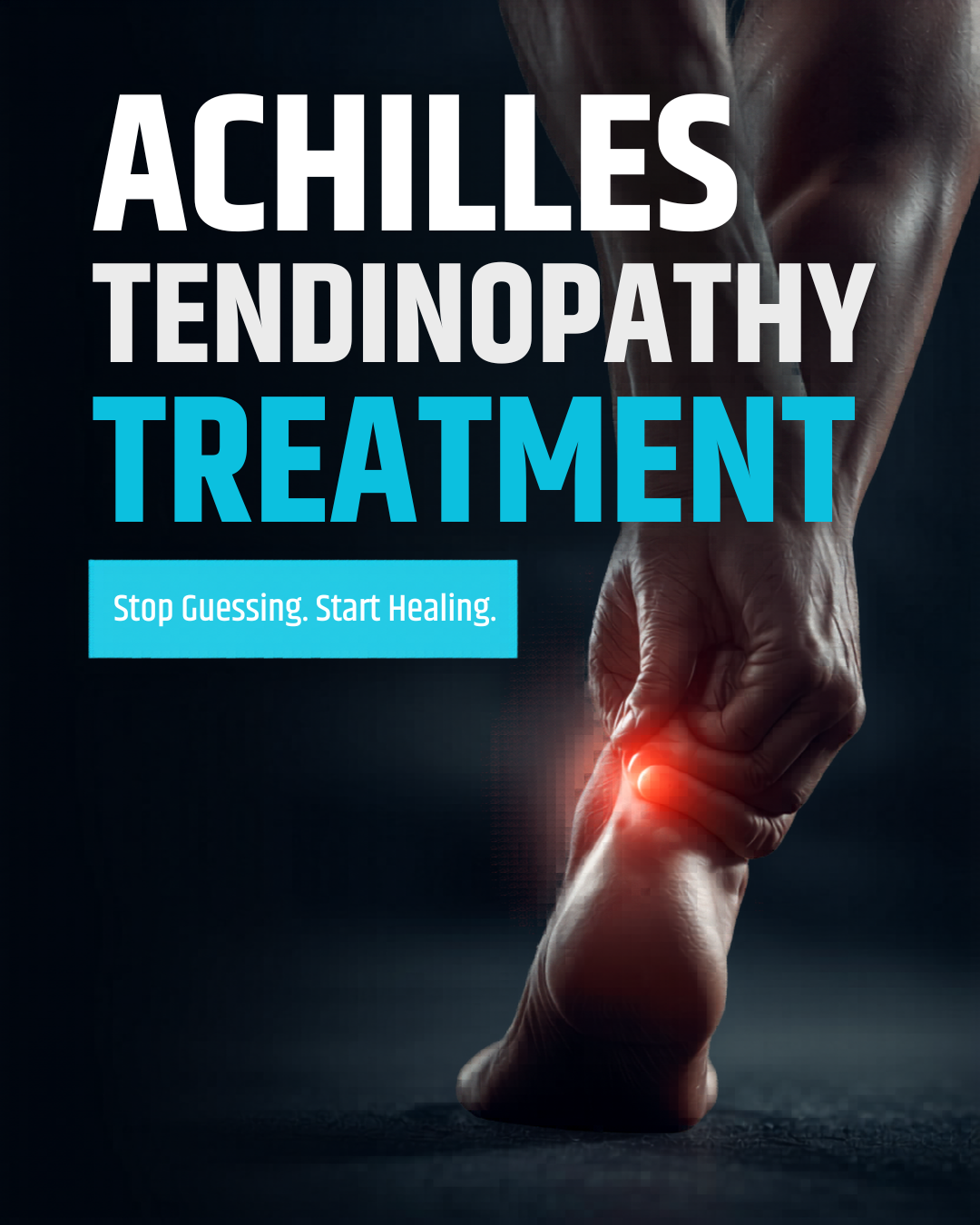
Achilles Tendinopathy Treatment: Why It Keeps Coming Back (And What Actually Fixes It)

Achilles Tendinopathy Treatment: Why It Keeps Coming Back (And What Actually Fixes It)

Achilles tendinopathy affects runners, athletes, and active adults — and for most, the frustrating cycle of rest, rehab, and relapse never ends. That's because standard treatment targets the tendon without addressing the real cause: mechanical breakdowns at the big toe, hip, and glutes that overload the Achilles with every step. At HealthFit Physical Therapy & Chiropractic in Pasadena, we close what we call the Source-Cause Gap — combining movement correction, eccentric loading, focused shockwave, and EMTT to not only calm the pain but fix the pattern driving it. Here's what a complete Achilles tendinopathy treatment approach actually looks like.

Read More

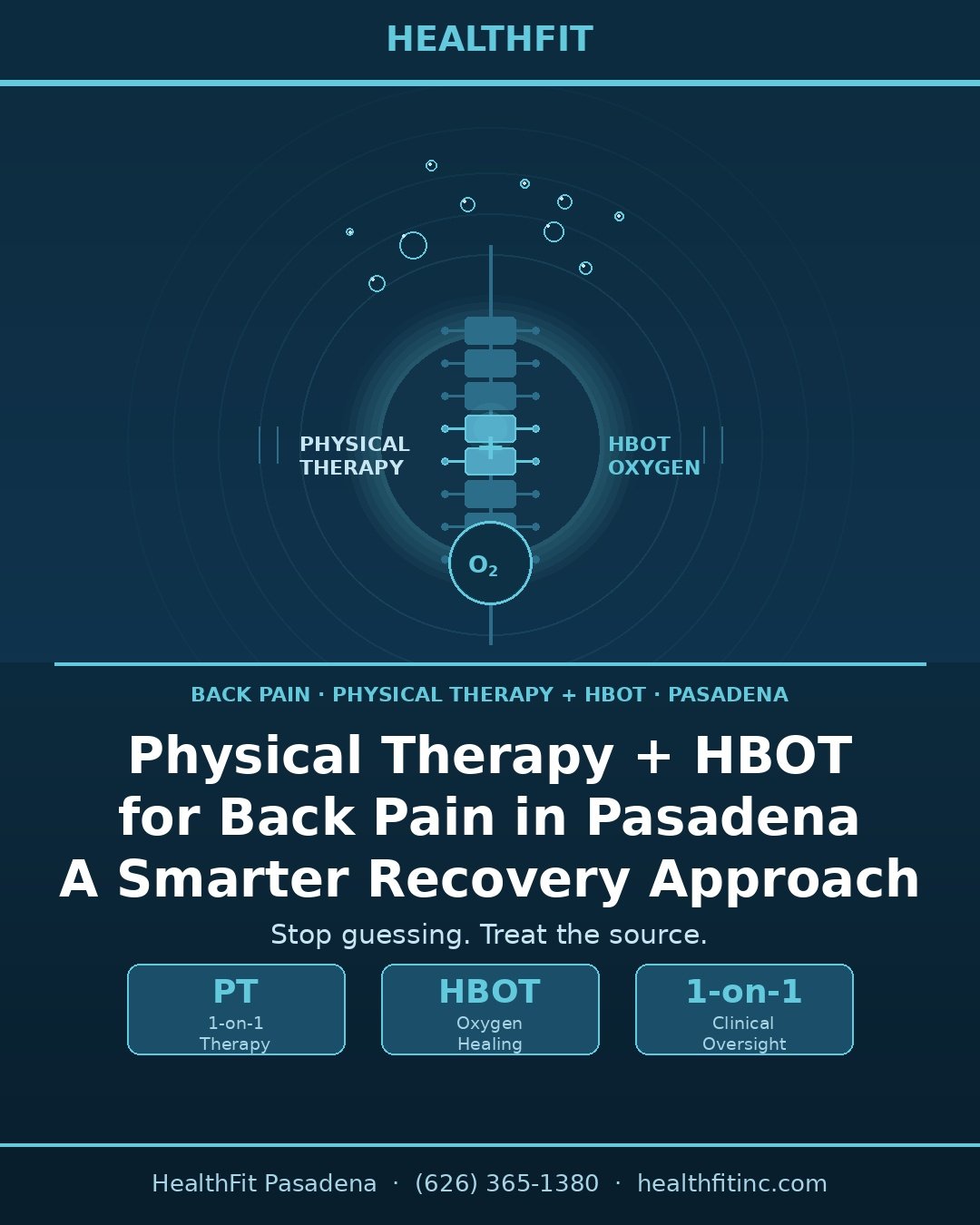
Physical Therapy + HBOT for Back Pain in Pasadena: A Smarter Recovery Approach

Physical Therapy + HBOT for Back Pain in Pasadena: A Smarter Recovery Approach

If physical therapy isn't fully resolving your back pain, HBOT may be the missing piece. HealthFit's integrated PT + Hyperbaric Oxygen Therapy protocol addresses both the structural and tissue-level drivers of chronic and acute back pain — all under one roof in Pasadena. Here's how the combination works, and why most back pain patients need more than one approach to fully recover.

Read More

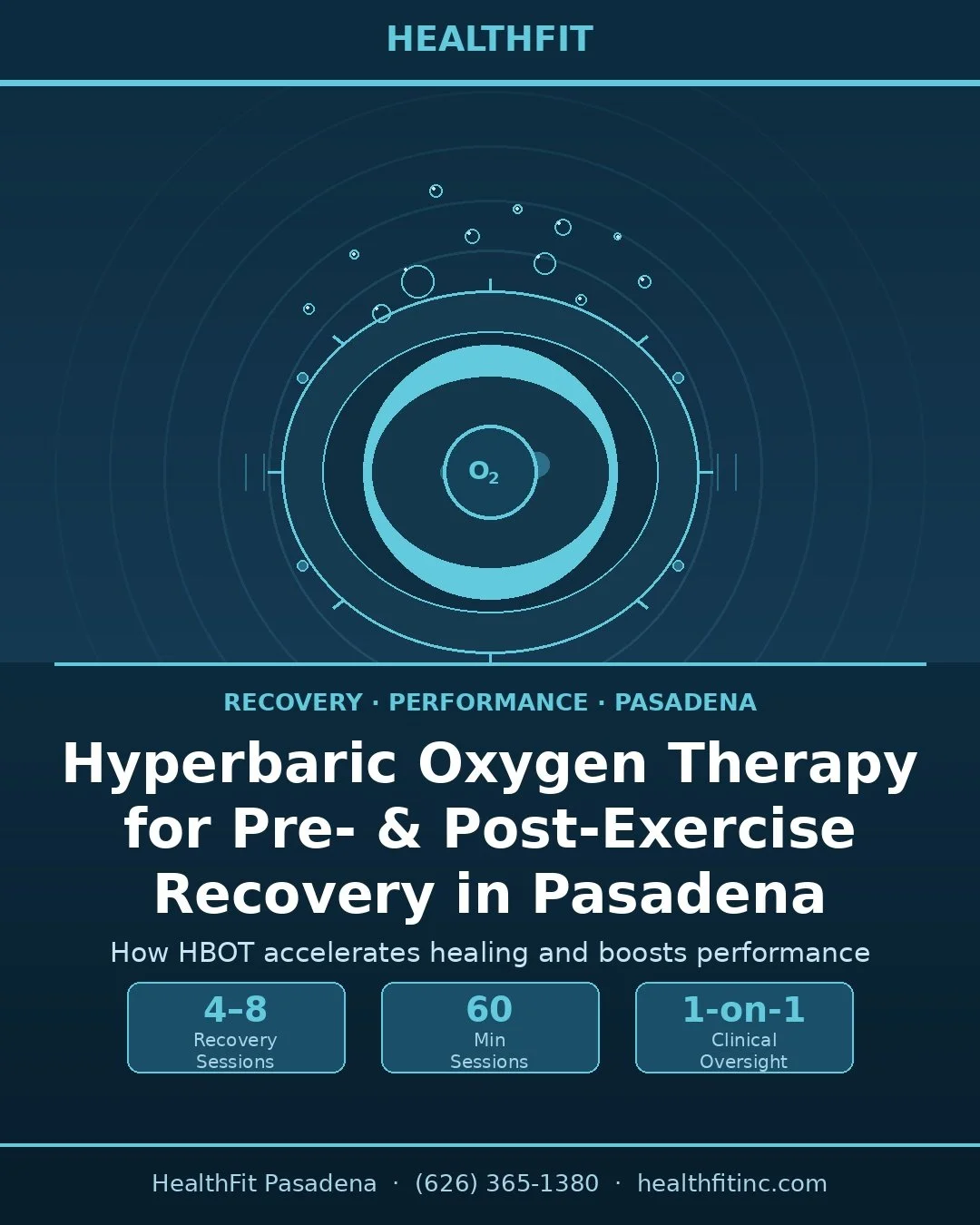
Hyperbaric Oxygen Therapy for Pre- and Post-Exercise Recovery in Pasadena

Hyperbaric Oxygen Therapy for Pre- and Post-Exercise Recovery in Pasadena

You train hard. But if your recovery strategy is just rest and hope, you're leaving results on the table. Hyperbaric Oxygen Therapy (HBOT) gives your body the one thing it needs most after intense exercise — oxygen, delivered deeper and faster than normal breathing ever could. Here's how Pasadena athletes are using it to recover smarter and perform longer.

Read More

The Hidden Dangers of Untreated Concussions in Young Athletes: A Call to Action for Parents and Coaches

The Hidden Dangers of Untreated Concussions in Young Athletes: A Call to Action for Parents and Coaches

Welcome to our discussion on a critical and often misunderstood injury affecting young athletes: concussions. I'm Dr. Jason Han, a sports clinical specialist, and in this blog, we delve into the serious consequences of untreated concussions. Despite their resilience, young athletes face significant risks if concussions are overlooked. From cognitive challenges and emotional struggles to long-term brain health risks, understanding and managing concussions is vital for their future well-being. Join us as we explore why early detection, proper management, and protective measures are essential for safeguarding our young athletes’ health and ensuring their successful recovery.

Read More