
The Pickleball Injury That Sends Players Over 60 to the ER Is the Fall

The Pickleball Injury That Sends Players Over 60 to the ER Is the Fall

The pickleball injury most likely to send a player over 60 to the emergency room isn’t a sore elbow — it’s a fall. ER visits for pickleball injuries jumped from 1,300 in 2014 to over 24,000 in 2023, with falls more than twice as likely in the 60-to-79 age group. Dr. Jason Han breaks down the chain that leads to a broken wrist: a backpedal for a lob, a balance and reaction gap nobody measured, and bone that has quietly gotten thinner. At HealthFit in Pasadena, the Source-Cause-Stack approach treats the wrist and trains the cause — balance, leg strength, footwork, and bone loading — so players stay on the court for years.

Read More
Is 4 Hours of Sleep Enough? What Short Sleep Does to Your Recovery

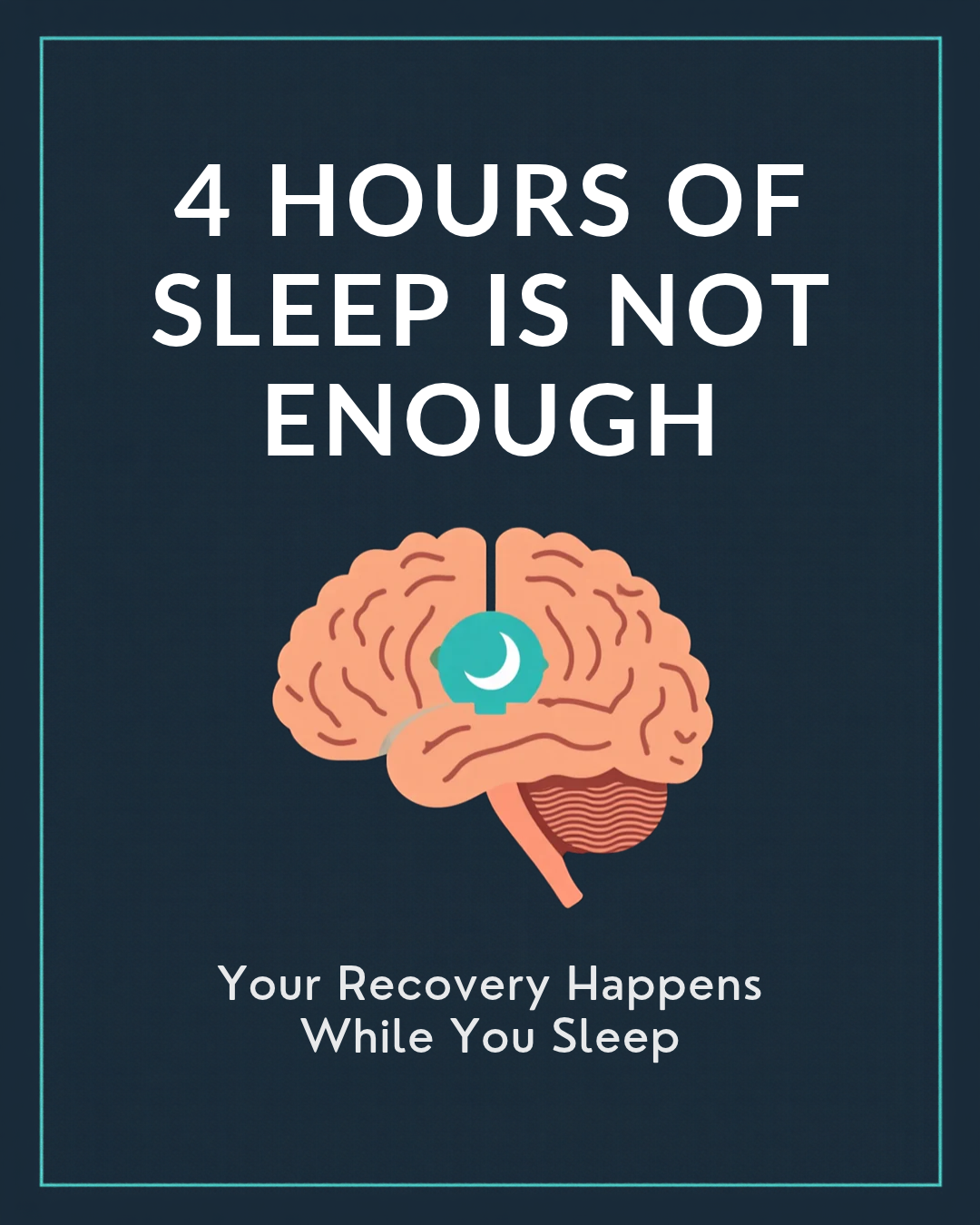
Is 4 Hours of Sleep Enough? What Short Sleep Does to Your Recovery

People who say they do fine on four hours of sleep are usually running on stress hormones, not rest — and research shows their performance drops to the level of someone who hasn’t slept in two days, even when they feel fine. At HealthFit in Pasadena, sleep is part of the recovery conversation from Day 1 because deep sleep is when the body does its repair work. Dr. Cheri Chan and Coach Allister Buchanan break down why short sleep stalls injury healing, spikes hunger hormones, and quietly sabotages training gains — plus four habits you can start tonight to give your recovery a real chance to pay off.

Read More

Hip Labral Tear in a Young Athlete: Why a PT Mom Drives Past a Clinic 600 Feet From Her Door

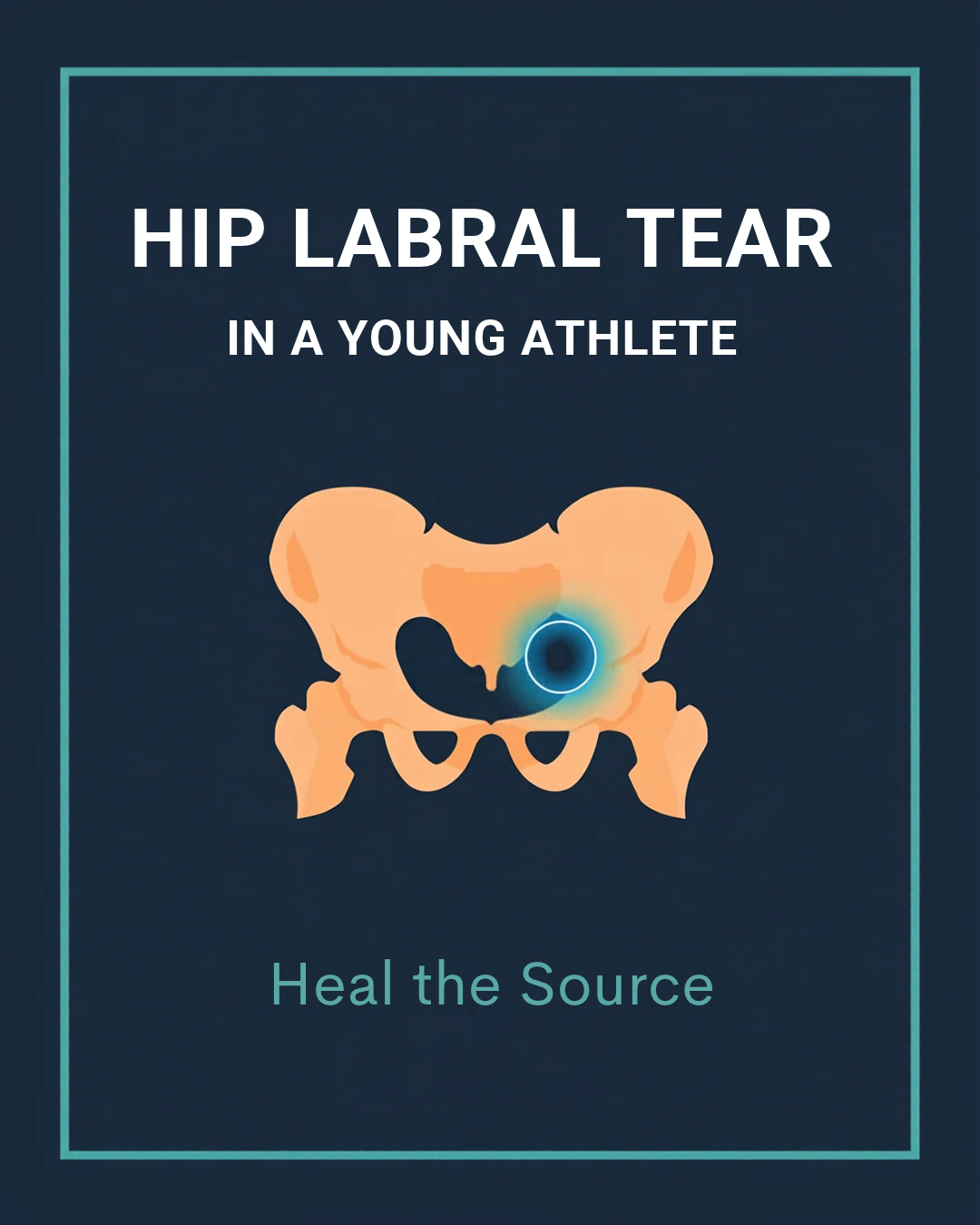
Hip Labral Tear in a Young Athlete: Why a PT Mom Drives Past a Clinic 600 Feet From Her Door

Labral tears show up in 54 percent of people with no hip pain at all, which means the tear on the scan is rarely the whole story. Luci, a 20-year-old taekwondo athlete, kept getting worse under conventional care until HealthFit found the real driver — glutes that couldn’t stabilize her base leg, forcing every other muscle to compensate. Her mom Mary Beth, a physical therapist herself, drives past a clinic 600 feet from her front door to bring Luci to Pasadena, because the plan here runs hands-on care, exercise, and regenerative therapy together from day one instead of treating one tool as the answer.

Read More

How Measurement Makes a Therapist Sharper

How Measurement Makes a Therapist Sharper

In 52 percent of evaluations, clinician performance decreased as years in practice increased — not because experienced therapists are bad, but because failures leave silently while successes stay to congratulate you. At HealthFit in Pasadena, we measure every patient because confidence is a poor proxy for accuracy: a JAMA study found diagnostic accuracy collapsed by 50 points on harder cases while self-rated confidence barely moved. Measurement collapses the guessing loop, finds the real driver in the first session instead of the fourth, and gives every clinician on the team the same standard instead of a coin flip.

Read More

Uneven Hips: What an Alignment Problem Actually Is (and What It Isn't)

Uneven Hips: What an Alignment Problem Actually Is (and What It Isn't)

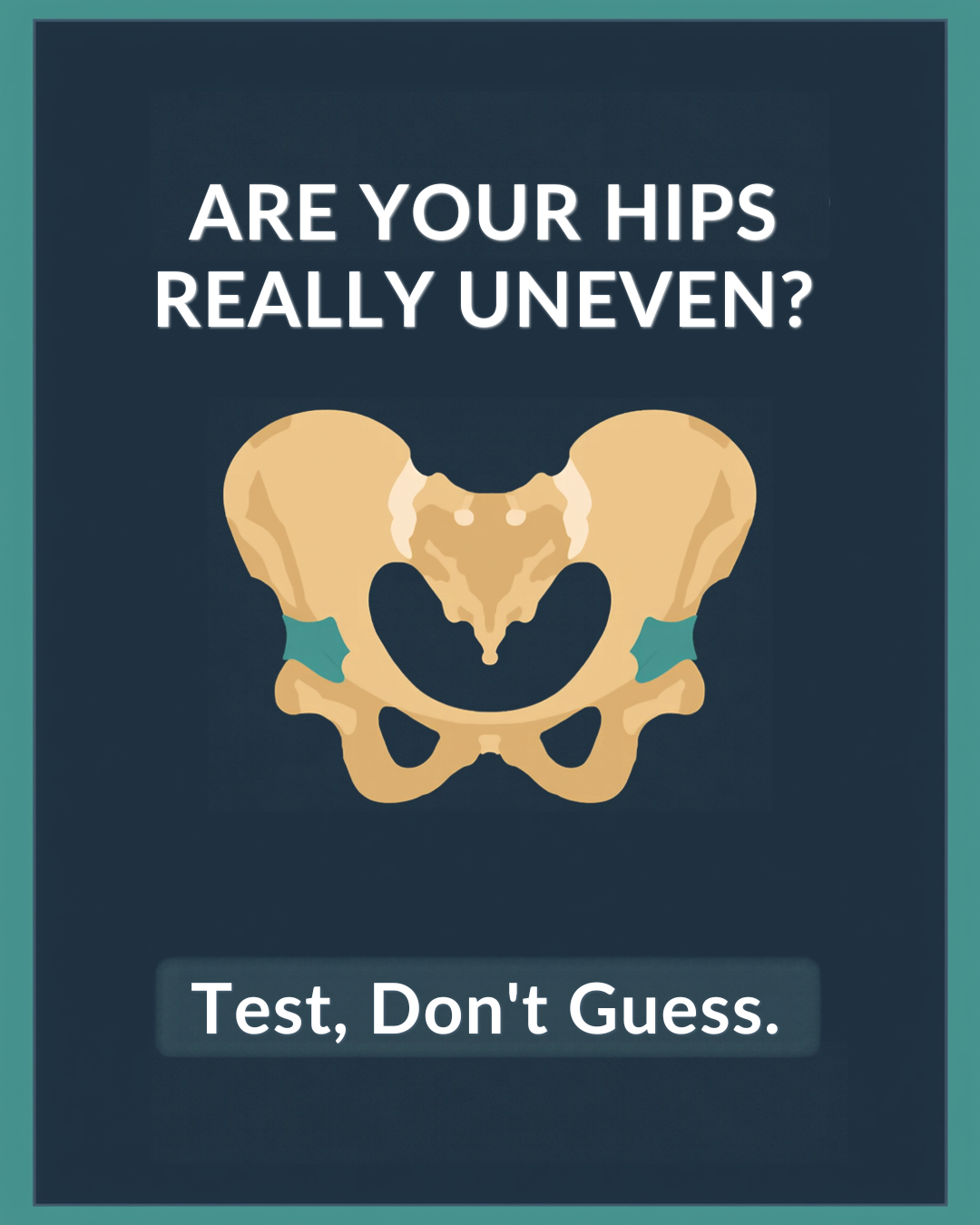
About 90 percent of people have a measurable leg length difference, but research suggests it usually doesn’t become clinically significant until it reaches around 20 millimeters — four times larger than average. “Uneven hips” isn’t one diagnosis; it’s a clue pointing at a true length difference, a stuck sacroiliac joint, or asymmetric mechanics from years of one-sided habits and lost rotation. At HealthFit in Pasadena, we use a full movement assessment and the Source-Cause-Stack framework to figure out which one you actually have, because an adjustment resets the position but strength work is what makes it stick.

Read More

Best Shape of His Life at 63: What Actually Changed for Jim

Best Shape of His Life at 63: What Actually Changed for Jim

Jim walked into HealthFit feeling like a 90-year-old in a 60-year-old body — hurt from a workout with a cookie-cutter trainer, eating one meal a day, sleeping three hours a night. At 63 he surfs, plays softball, and says he feels 30. The difference was not a program — it was a plan built around his body, his history, and his life, with a coach who asked about his sleep and his Tuesday night, not just his sets and reps. Research shows 30 to 60 minutes of strength training per week lowers mortality risk by 10 to 17 percent. The barrier for most adults over 60 is not the dose — it is that the last time they tried, they got hurt.

Read More

He Played His Sport Almost Every Day for a Decade. The Gym Is What Moved Him Up the Roster.

He Played His Sport Almost Every Day for a Decade. The Gym Is What Moved Him Up the Roster.

Milo played squash almost every day from age seven, trained hard enough to earn a college roster spot, and never set foot in a gym consistently until he was sixteen. That gap is the default in youth sports — and research shows strength training cuts injury rates to less than a third while stretching alone does nothing. The summer he built his lower body at HealthFit in Pasadena was the summer he jumped up the roster, because in a sport decided by who can still move in hour two, leg strength isn’t a nice-to-have. It’s the sport.

Read More

She Tore Her ACL on a Dive Boat. Then She Did the Opposite of What Most People Do.

She Tore Her ACL on a Dive Boat. Then She Did the Opposite of What Most People Do.

Most people wait after an ACL tear — they rest, protect the knee, and show up to surgery weaker than the day they got hurt. Liza did the opposite. She spent six weeks at HealthFit in Pasadena building strength before her reconstruction, then trained for seven months after it. Research shows extended prehab patients return to sport at significantly higher rates two years out. At ten months post-op, Liza has less body pain than before she tore it, more energy, and a trip to the Galapagos on the calendar — because the weeks before surgery turned out to be the highest-leverage weeks in her entire recovery.

Read More

You Got Tested. Now Comes the Hard Part.

You Got Tested. Now Comes the Hard Part.

Most people who get their VO2 max tested never follow through on what the numbers demand — and that gap between knowing and changing is where longevity actually happens or doesn't. A Cleveland Clinic study of 122,000 patients found that low cardiorespiratory fitness carries more mortality risk than smoking or diabetes. At HealthFit in Pasadena, we build Longevity Blueprints around your real data — VO2 max, fat-burning zones, body composition — then close the Results Gap with a simple Zone 2 training plan, a retest date on the calendar, and the structure to make boring work stick.

Read More

Nociplastic Pain: Why Your Scan Is Clean But You Still Hurt

Nociplastic Pain: Why Your Scan Is Clean But You Still Hurt

If your scan came back clean but you still hurt every day, the problem isn't you — it's a category of pain medicine only recently named. Nociplastic pain happens when your nervous system gets stuck on high alert, amplifying signals even when tissue looks fine. At HealthFit in Pasadena, we use the Source-Cause-Stack framework to address the upstream drivers — sleep, stress, deconditioning — and rebuild your confidence to move with graded, nervous-system-aware loading that retrains the alarm over time.

Read More