
Is 4 Hours of Sleep Enough? What Short Sleep Does to Your Recovery

Is 4 Hours of Sleep Enough? What Short Sleep Does to Your Recovery

People who say they do fine on four hours of sleep are usually running on stress hormones, not rest — and research shows their performance drops to the level of someone who hasn’t slept in two days, even when they feel fine. At HealthFit in Pasadena, sleep is part of the recovery conversation from Day 1 because deep sleep is when the body does its repair work. Dr. Cheri Chan and Coach Allister Buchanan break down why short sleep stalls injury healing, spikes hunger hormones, and quietly sabotages training gains — plus four habits you can start tonight to give your recovery a real chance to pay off.

Read More

What Does Hyperbaric Oxygen Therapy Feel Like? One Patient Describes It

What Does Hyperbaric Oxygen Therapy Feel Like? One Patient Describes It

Most articles about hyperbaric oxygen explain the mechanism. None of them answer the question people actually ask: what is it like to sit in there for an hour? David, a martial artist and HealthFit patient, describes it as a comfortable one-hour flight where the seat is better and you’re allowed to fall asleep. After ten sessions he went from four hours of broken sleep to seven hours consistently, and reports feeling clear-headed and energized. At HealthFit in Pasadena, hyperbaric oxygen sits alongside physical therapy, chiropractic, and metabolic testing — because no single tool does everything and the right combination starts with a conversation, not a booking.

Read More

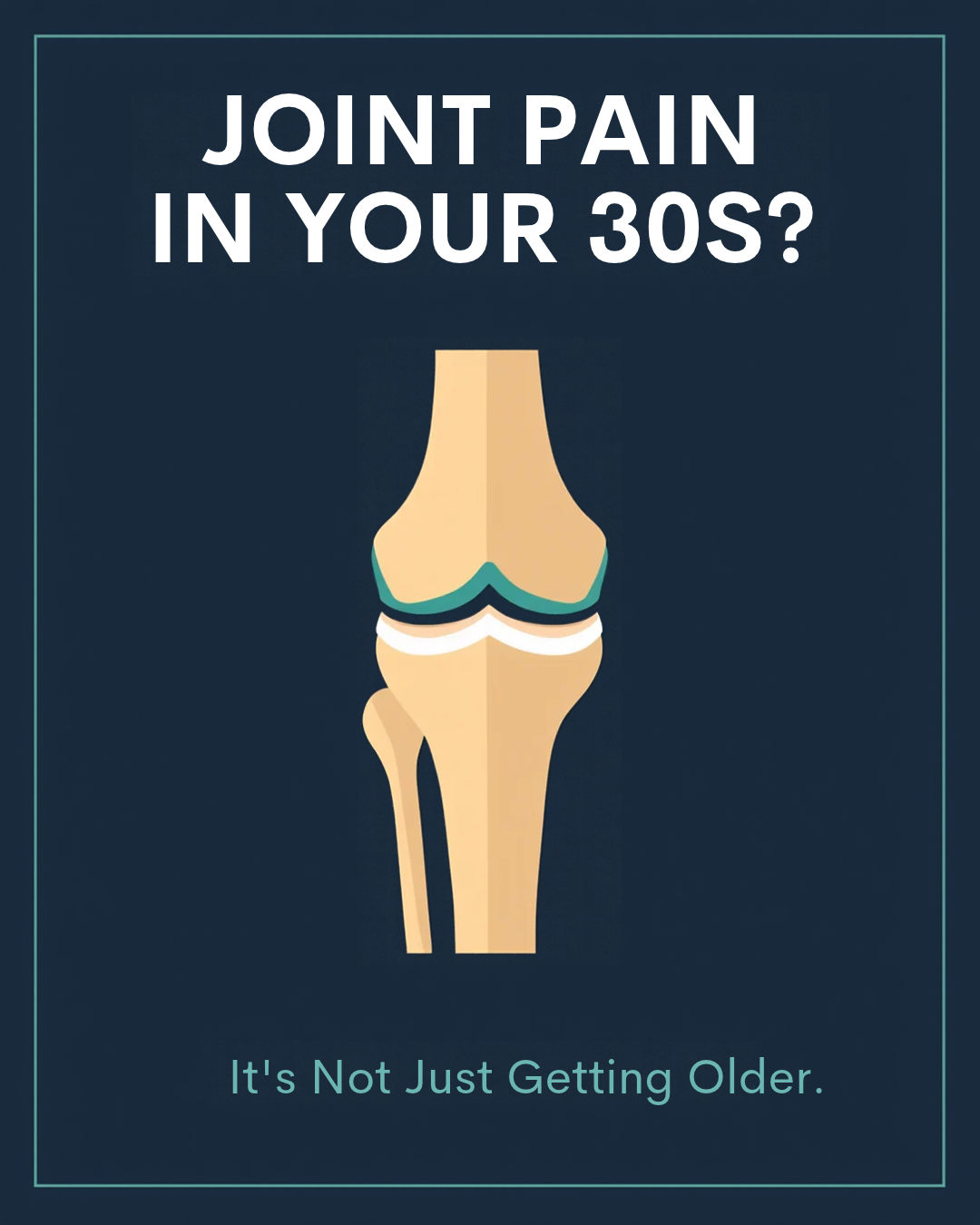
Joint Pain in Your 30s Isn't "Just Getting Older." It's a Trend Line — and You Can Get Off It.

Joint Pain in Your 30s Isn't "Just Getting Older." It's a Trend Line — and You Can Get Off It.

Nearly 33 million people aged 30 to 44 are living with osteoarthritis worldwide, and the fastest growing group in joint pain clinics isn’t retirees — it’s desk workers in their 30s running a pattern of five days starving their cartilage of movement and one day spiking it with a brutal weekend workout. Cartilage has no nerves, so it whispers before it yells, and that morning stiffness at 32 is the cheapest signal you will ever get. At HealthFit in Pasadena, we deploy a Source-Cause-Stack approach — real movement assessment, graded strength work that actually feeds cartilage, hands-on care, and regenerative therapy from day one — because joint health in your 30s is mobility you spend in your 60s.

Read More

Best Shape of His Life at 63: What Actually Changed for Jim

Best Shape of His Life at 63: What Actually Changed for Jim

Jim walked into HealthFit feeling like a 90-year-old in a 60-year-old body — hurt from a workout with a cookie-cutter trainer, eating one meal a day, sleeping three hours a night. At 63 he surfs, plays softball, and says he feels 30. The difference was not a program — it was a plan built around his body, his history, and his life, with a coach who asked about his sleep and his Tuesday night, not just his sets and reps. Research shows 30 to 60 minutes of strength training per week lowers mortality risk by 10 to 17 percent. The barrier for most adults over 60 is not the dose — it is that the last time they tried, they got hurt.

Read More

The Real Reason You Haven't Fixed Your Injury Yet

The Real Reason You Haven't Fixed Your Injury Yet

The real reason your injury hasn't healed isn't that you're too busy — it's that no one told you what recovery actually costs in effort and consistency. With rehab non-adherence rates as high as 65 percent, most people stall at the Boredom Wall around week five, long before tissue has finished remodeling. At HealthFit in Pasadena, we use the Source-Cause-Stack framework to split the work honestly: we heal the source with hands-on care and regenerative tools like EMTT and shockwave from Day 1, while you address the cause with real, sustained effort past the point where it stops being interesting.

Read More

You Got Tested. Now Comes the Hard Part.

You Got Tested. Now Comes the Hard Part.

Most people who get their VO2 max tested never follow through on what the numbers demand — and that gap between knowing and changing is where longevity actually happens or doesn't. A Cleveland Clinic study of 122,000 patients found that low cardiorespiratory fitness carries more mortality risk than smoking or diabetes. At HealthFit in Pasadena, we build Longevity Blueprints around your real data — VO2 max, fat-burning zones, body composition — then close the Results Gap with a simple Zone 2 training plan, a retest date on the calendar, and the structure to make boring work stick.

Read More

Hyperbaric Oxygen Therapy for Long COVID: What the Research Actually Supports

Hyperbaric Oxygen Therapy for Long COVID: What the Research Actually Supports

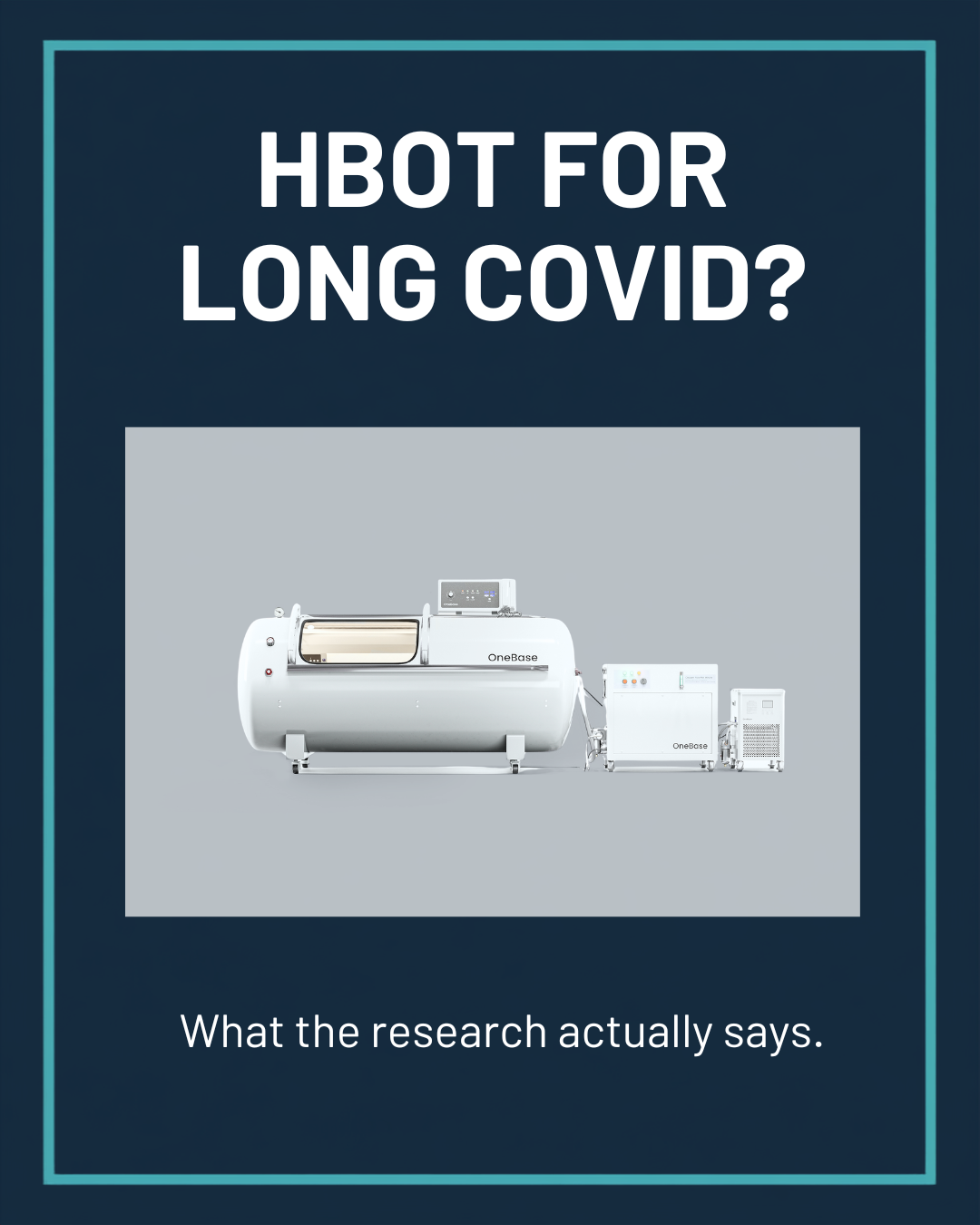
Hyperbaric oxygen therapy for long COVID sits between breakthrough and hype — and the honest answer lives in the data. A sham-controlled trial of 73 patients showed significant cognitive and quality-of-life improvements at 2.0 ATA, with durability at one year. A 232-patient registry found 68-73% improved in brain fog and memory. But 13-19% got worse, especially those with fatigue — because dose matters as much as the tool. At HealthFit in Pasadena, we match the Tolerance Dose to where your system actually is, running chambers at 1.3, 1.5, or 2.0 ATA as part of a layered plan, not a standalone fix.

Read More

Mommy Makeover Recovery: The Real Timeline, and When You Can Pick Up Your Kids

Mommy Makeover Recovery: The Real Timeline, and When You Can Pick Up Your Kids

The hardest part of mommy makeover recovery is not the swelling — it is six to eight weeks of not picking up your toddler while a muscle repair heals under tension. Recovering from a tummy tuck and breast surgery at once means two sets of restrictions, deeper fatigue from longer anesthesia, and swelling across multiple areas on different schedules. At HealthFit in Pasadena, we rank compression, walking, help at home, and manual lymphatic drainage ahead of our own hyperbaric chamber, because that is where the evidence puts them — and we run all of it as one plan from week one so you get back to carrying your kids without pain.

Read More

How Many Hyperbaric Sessions Do You Actually Need After Surgery?

How Many Hyperbaric Sessions Do You Actually Need After Surgery?

Your surgeon said five to ten sessions and the clinic quoted twenty — the difference is literature versus business model. Every published cosmetic surgery protocol used five to ten sessions clustered in the first one to two weeks, when inflammation is active and the mechanism has something to work with. There is no evidence that twenty is better than ten, and the percentage promises circulating on clinic websites were invented. At HealthFit in Pasadena, we build your protocol around your surgeon's recommendation and tell you honestly if we think it is not worth your money.

Read More

Breast Augmentation Recovery: How Long the Swelling Really Lasts

Breast Augmentation Recovery: How Long the Swelling Really Lasts

Breast augmentation swelling peaks in the first week, and the high, firm look that alarms most patients at two weeks is muscle tightness and fluid — not your final result. The "drop and fluff" phase at months two to three is when implants settle into the pocket and soften into their real shape. At HealthFit in Pasadena, we run hands-on care, guided shoulder and thoracic mobility, and regenerative support together from week one, because weeks of guarding your chest changes your posture and movement in ways a chamber alone does not fix.

Read More