
Will AI Replace Your Physical Therapist? A Pasadena PT's Honest Answer

Will AI Replace Your Physical Therapist? A Pasadena PT's Honest Answer

PT jobs are projected to grow 11% through 2034 — if AI were replacing physical therapists, that number would be shrinking. But AI does fall into what Dr. Jason Han calls the Average Trap: it gives the best answer for the average knee, not yours. At HealthFit in Pasadena, four things still require a human — trained hands that feel the difference between your two sides, reading the person behind the pain, adjusting on the spot through test-try-retest, and caring about what the injury is actually costing you. AI is a tool in the coach’s hands. It’s not the coach.

Read More
AI Scribes in Physical Therapy: How AI Gives Your PT More Time With You

AI Scribes in Physical Therapy: How AI Gives Your PT More Time With You

For every hour physicians spend with patients, they spend nearly two on the electronic health record. AI scribes are starting to change that in physical therapy — listening to the visit and drafting the note so your PT can stay present instead of typing. But the draft still needs a human eye, because AI can quietly invent details you never said. At HealthFit in Pasadena, Dr. Jason Han follows what he calls the Plus Rule: technology works best as your PT plus the tool, never the tool instead of your PT. Every minute off the keyboard is a minute back with you — hands-on care, exercise coached rep by rep, and regenerative therapy from Day 1.

Read More

Robots in Physical Therapy: Hype vs. Reality

Robots in Physical Therapy: Hype vs. Reality

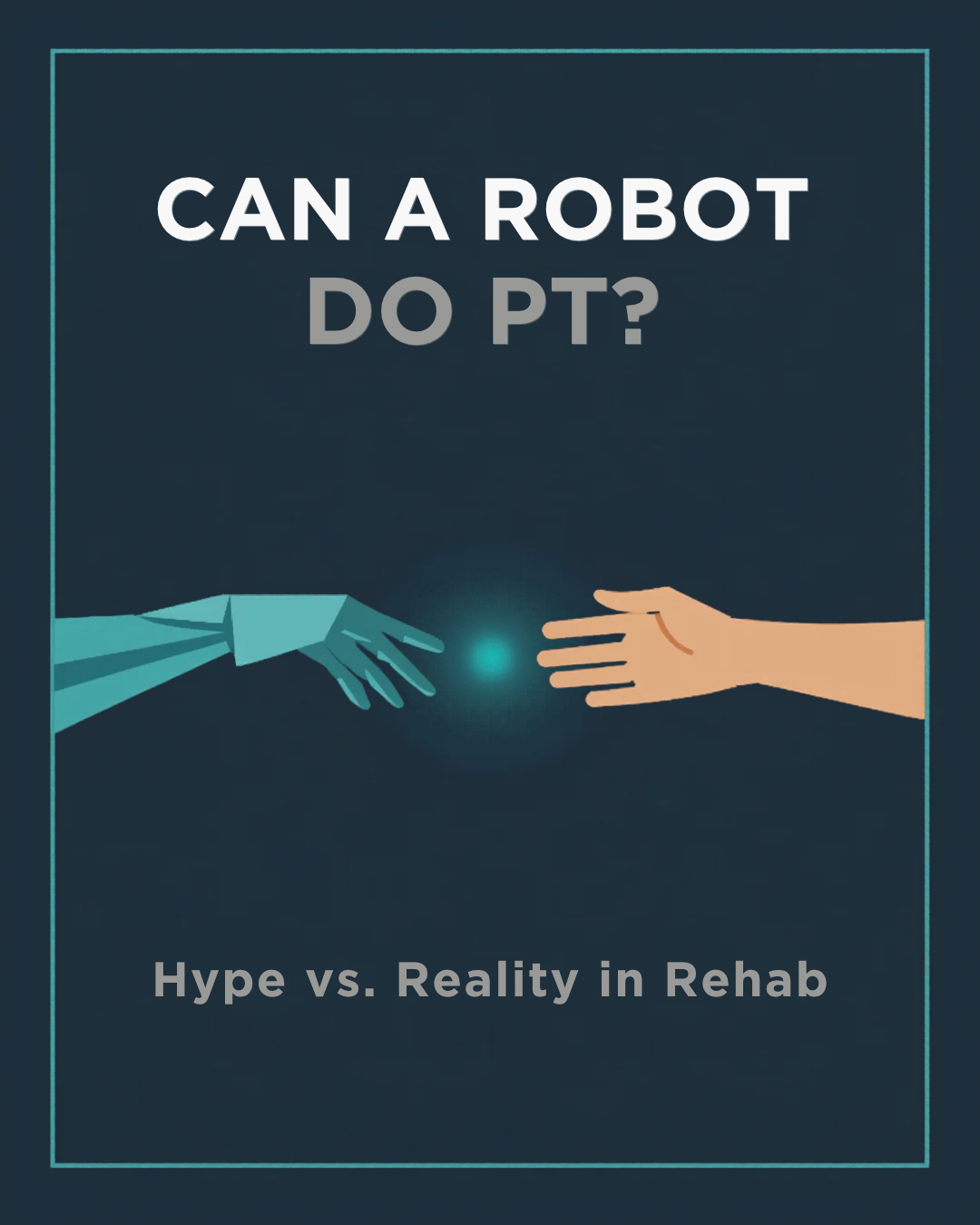
MIT’s new rehab robot adjusts its assistance based on what a patient can do that day — strong day, it backs off; tough day, it helps more. But the robot learned everything it knows from physical therapists wearing force-sensing gloves, and those gloves can measure how hard a therapist pushes without capturing why they decided to push. At HealthFit in Pasadena, Dr. Jason Han sees the part no sensor picks up: the held breath before a movement, the shoulders creeping toward the ears, the patient who says “I’m fine” but isn’t. The best future for rehab isn’t robot or human — it’s the robot handling the reps and the human handling the person.

Read More

How to Slow Knee Arthritis: 3 Things Your X-Ray Won't Tell You

How to Slow Knee Arthritis: 3 Things Your X-Ray Won't Tell You

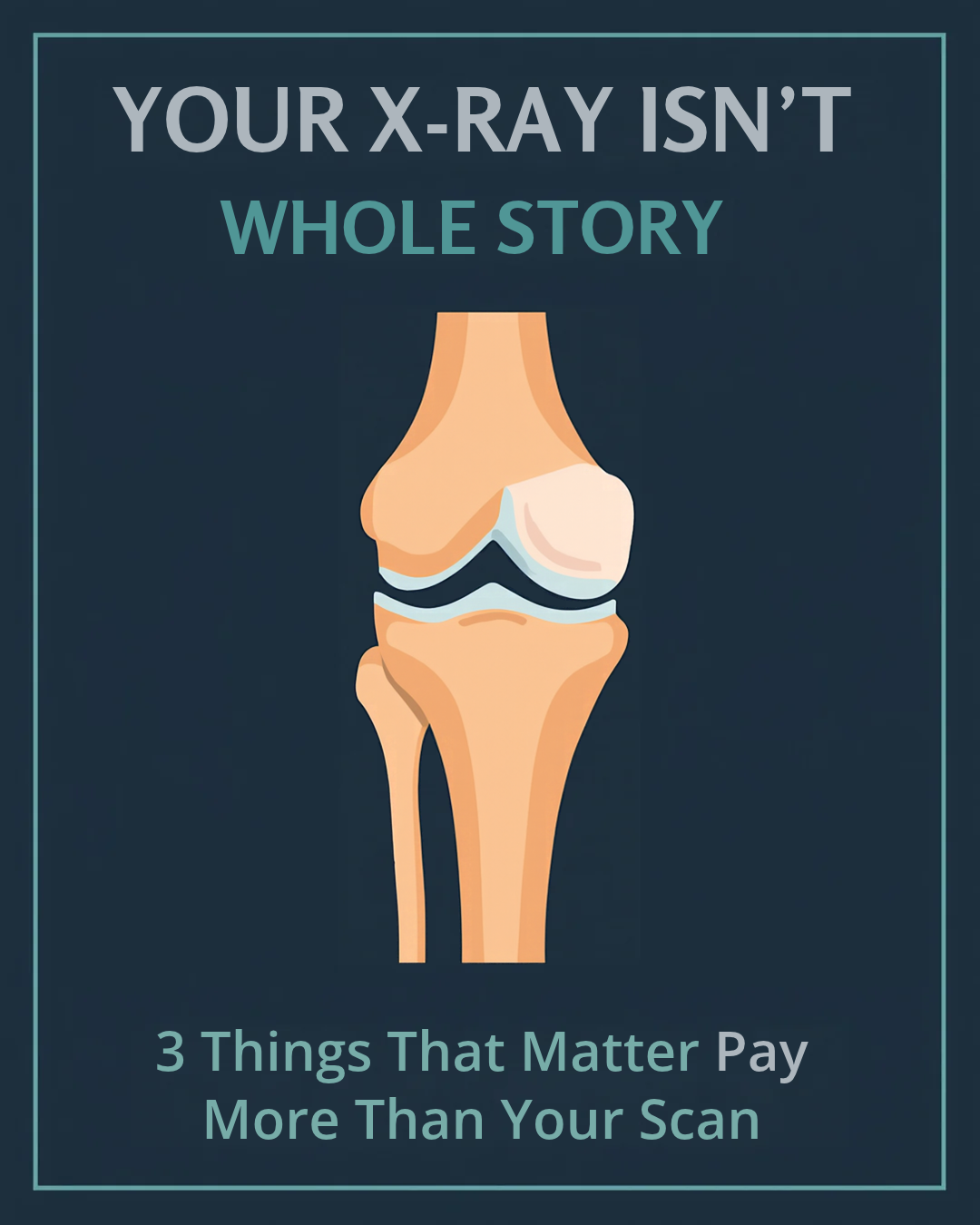
Your x-ray shows where your knee has been, not where it’s headed — 43% of pain-free adults over 40 already have cartilage damage on imaging. At HealthFit in Pasadena, Dr. Jason Han focuses on three things the scan won’t tell you: whether your exercise dose is right (the Morning-After Test), whether weak hips are overloading the knee like loose steering wearing out the tires, and what phase your knee is actually in — flare, calm, or build — because the same knee needs three completely different plans. The Source-Cause-Stack approach treats the tissue and retrains the movement together from Day 1.

Read More

Knee Pain Going Up Stairs? Your Knee Is Failing a Test

Knee Pain Going Up Stairs? Your Knee Is Failing a Test

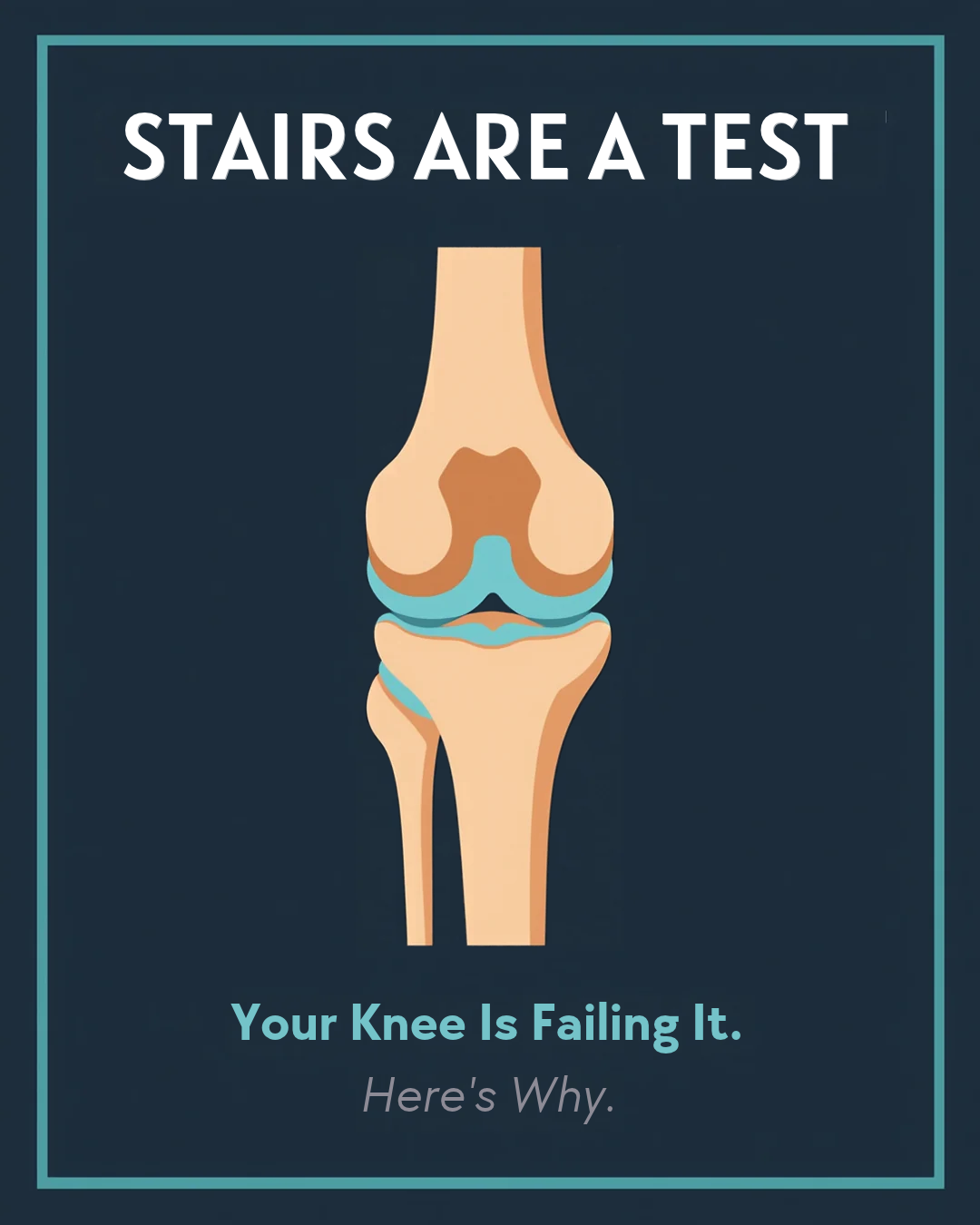
Stairs don’t hurt your knee — they test it, at 3.2 times your body weight per step. When your hip muscles get weak and your ankle gets stiff, the knee picks up all the extra work, like an overworked middle manager caught between two bosses. At HealthFit in Pasadena, Dr. Jason Han finds the same pattern almost every week: the knee dives inward, the opposite hip drops, and the brakes are worn out. The Source-Cause-Stack approach treats the irritated tissue and retrains the hip and ankle to do their jobs — together from Day 1 — so the knee stops being the messenger for a problem that started somewhere else.

Read More

Why Walking Gets Harder After 60, and How to Get Your Distance Back

Why Walking Gets Harder After 60, and How to Get Your Distance Back

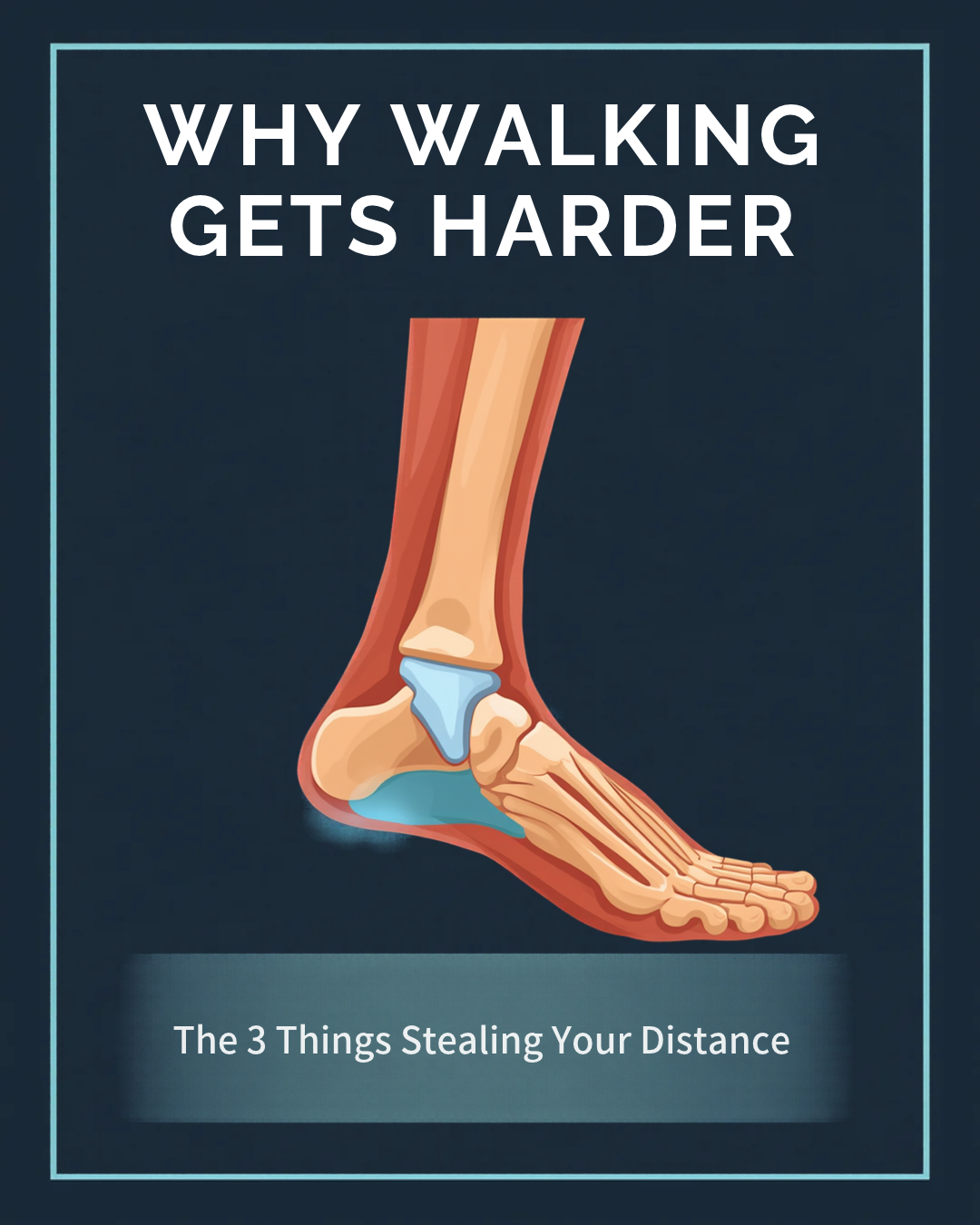
Most people don’t notice their walking has slipped until a vacation exposes it — miles on cobblestones and hills where a trip to the store never would. At HealthFit in Pasadena, Dr. Jason Han sees three things stacking quietly after 60: a fading ankle push-off that forces the hips to compensate, a shrinking cardiovascular gas tank, and low-grade pain that hits the brakes on every stride. Research links walking speed to longevity, and a 2026 gait study confirmed that older adults lose push-off power while stiffening the ankle — costing more energy for less forward movement. The good news: all three are measurable and trainable at any age.

Read More

"I Was Done With PT": Why Jillian's Achilles Needed a Whole-Body Look

"I Was Done With PT": Why Jillian's Achilles Needed a Whole-Body Look

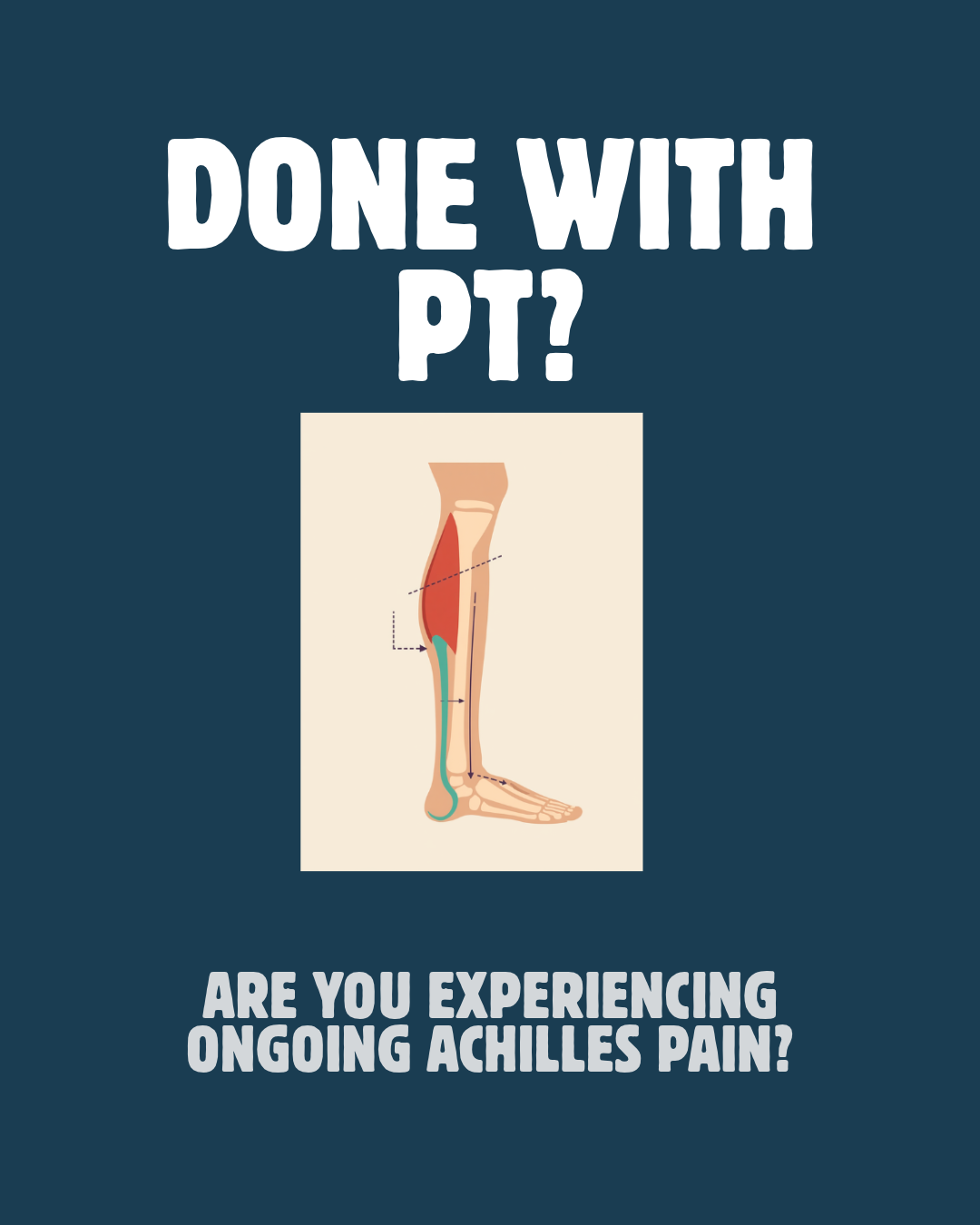
Jillian did every calf and Achilles exercise there is, saw multiple PT clinics, and nothing changed — because the problem was never just her Achilles. A whole-body evaluation at HealthFit in Pasadena uncovered hypermobility driving compensatory muscle gripping, years of faulty knee tracking from basketball, and a chain of forces loading her Achilles from above. By working upstream through the hips, glutes, and core instead of chasing the sore spot, Dr. Shaina Ung addressed the cause, not just the source. Over a year later, Jillian hasn’t thought about Achilles pain once — and she’s planning a thru-hike on the John Muir Trail.

Read More

Can Poor Sleep Cause Back Pain? What 26,000 Sleep Trackers Found

Can Poor Sleep Cause Back Pain? What 26,000 Sleep Trackers Found

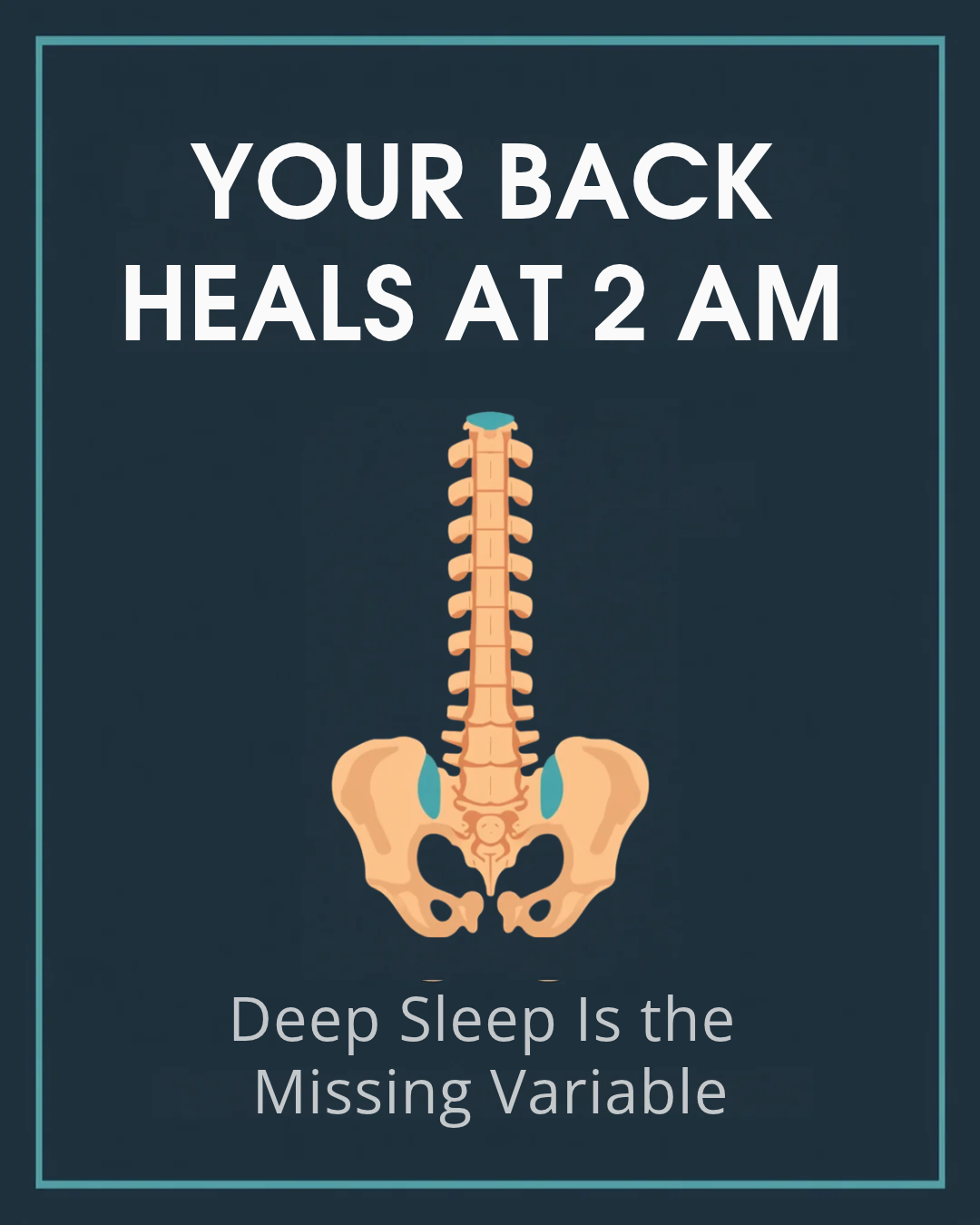
A 2026 study tracking 26,852 adults over an average of 839 nights each found that people with the least deep sleep were far more likely to develop chronic low back and hip pain — and the link held even after removing the last year of data before diagnosis, so pain wasn’t just wrecking sleep. At HealthFit in Pasadena, Dr. Jason Han calls this the 2 AM Variable: the part of your recovery nobody sees because you’re unconscious when it happens. The Source-Cause-Stack approach treats the tissue that hurts while addressing the recovery system running on a deficit — because your back doesn’t only heal on the table, it heals at 2 AM.

Read More

Preventive Physical Therapy: Why Pros Get a Preseason and You Should Too

Preventive Physical Therapy: Why Pros Get a Preseason and You Should Too

Every pro athlete gets a preseason screening before they step on the field — strength, mobility, balance, and engine capacity all measured before anything hurts. At HealthFit in Pasadena, Dr. Jason Han brings that same standard to everyday athletes through the Longevity Blueprint: a baseline built around your body, your weak links, and the Source-Cause-Stack approach. Research shows strength training alone cuts sports injuries to less than a third, but only when it’s built before the injury. Quiet decline in your tissue and capacity doesn’t send a warning — it just waits for the day something gives. A preventive visit finds it first.

Read More

The Pickleball Injury That Sends Players Over 60 to the ER Is the Fall

The Pickleball Injury That Sends Players Over 60 to the ER Is the Fall

The pickleball injury most likely to send a player over 60 to the emergency room isn’t a sore elbow — it’s a fall. ER visits for pickleball injuries jumped from 1,300 in 2014 to over 24,000 in 2023, with falls more than twice as likely in the 60-to-79 age group. Dr. Jason Han breaks down the chain that leads to a broken wrist: a backpedal for a lob, a balance and reaction gap nobody measured, and bone that has quietly gotten thinner. At HealthFit in Pasadena, the Source-Cause-Stack approach treats the wrist and trains the cause — balance, leg strength, footwork, and bone loading — so players stay on the court for years.

Read More