
Best Shape of His Life at 63: What Actually Changed for Jim

Best Shape of His Life at 63: What Actually Changed for Jim

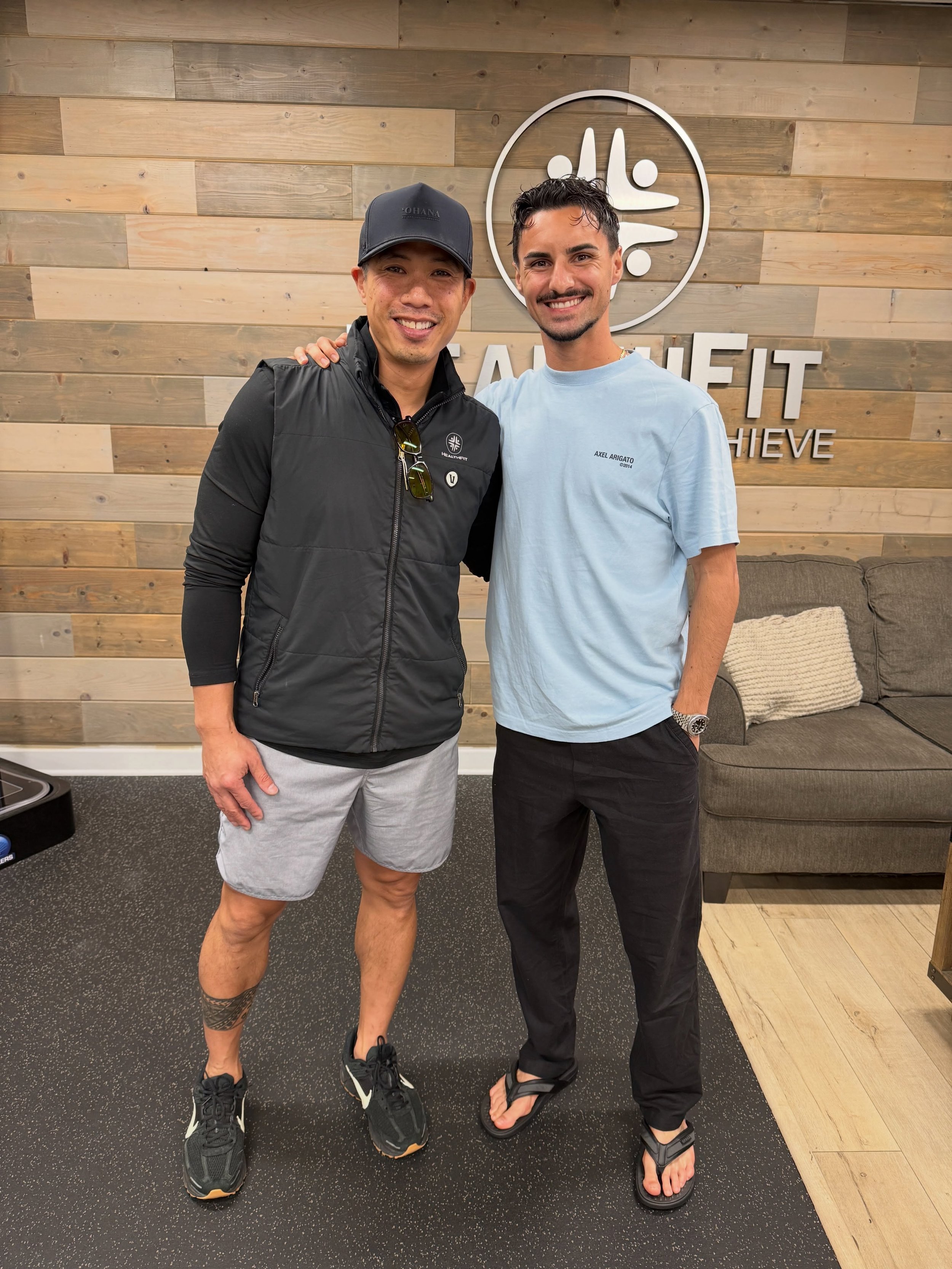
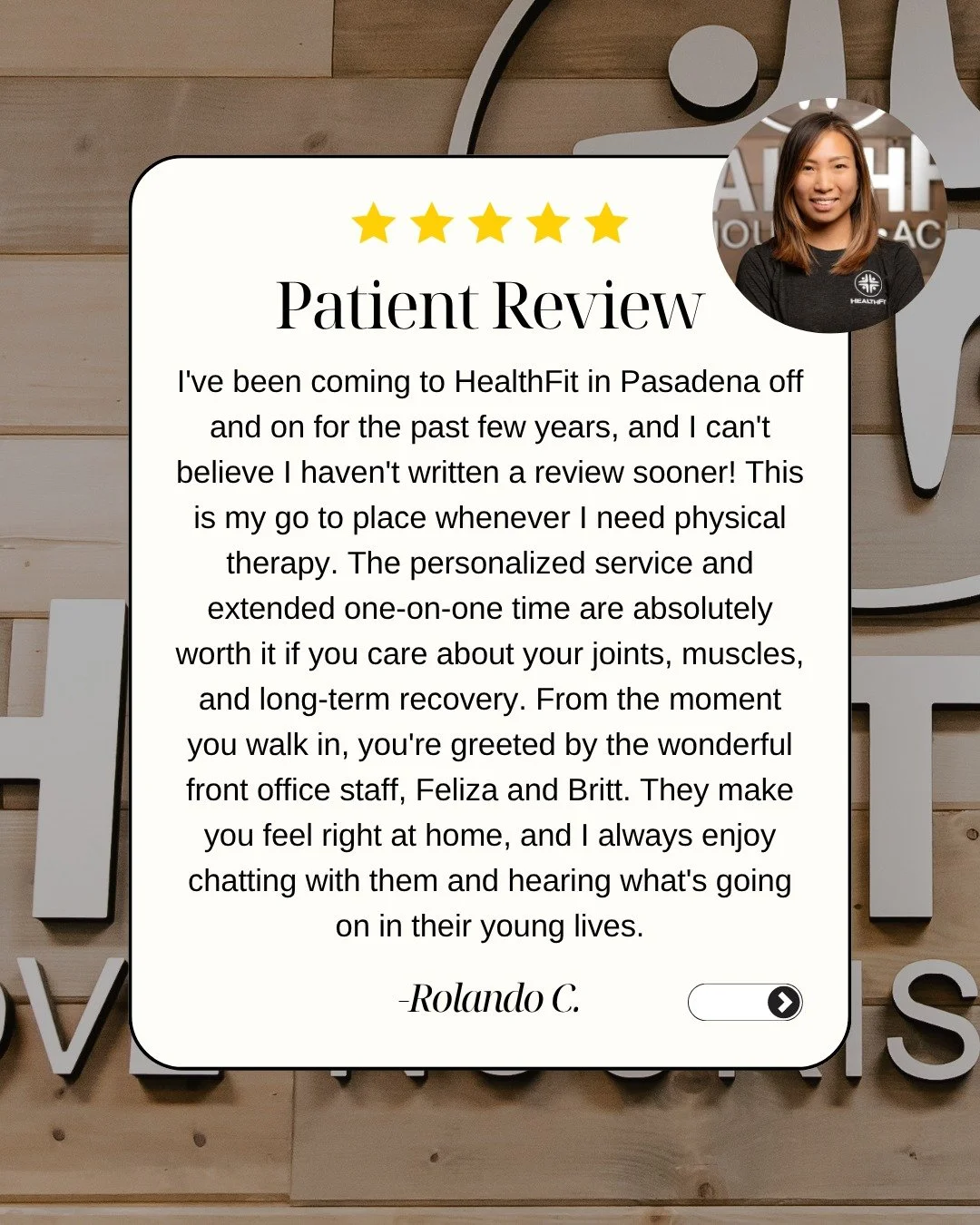
Jim walked into HealthFit feeling like a 90-year-old in a 60-year-old body — hurt from a workout with a cookie-cutter trainer, eating one meal a day, sleeping three hours a night. At 63 he surfs, plays softball, and says he feels 30. The difference was not a program — it was a plan built around his body, his history, and his life, with a coach who asked about his sleep and his Tuesday night, not just his sets and reps. Research shows 30 to 60 minutes of strength training per week lowers mortality risk by 10 to 17 percent. The barrier for most adults over 60 is not the dose — it is that the last time they tried, they got hurt.

Read More
Can Crossing Your Legs Cause Hip Pain? Here's the Real Answer

Can Crossing Your Legs Cause Hip Pain? Here's the Real Answer

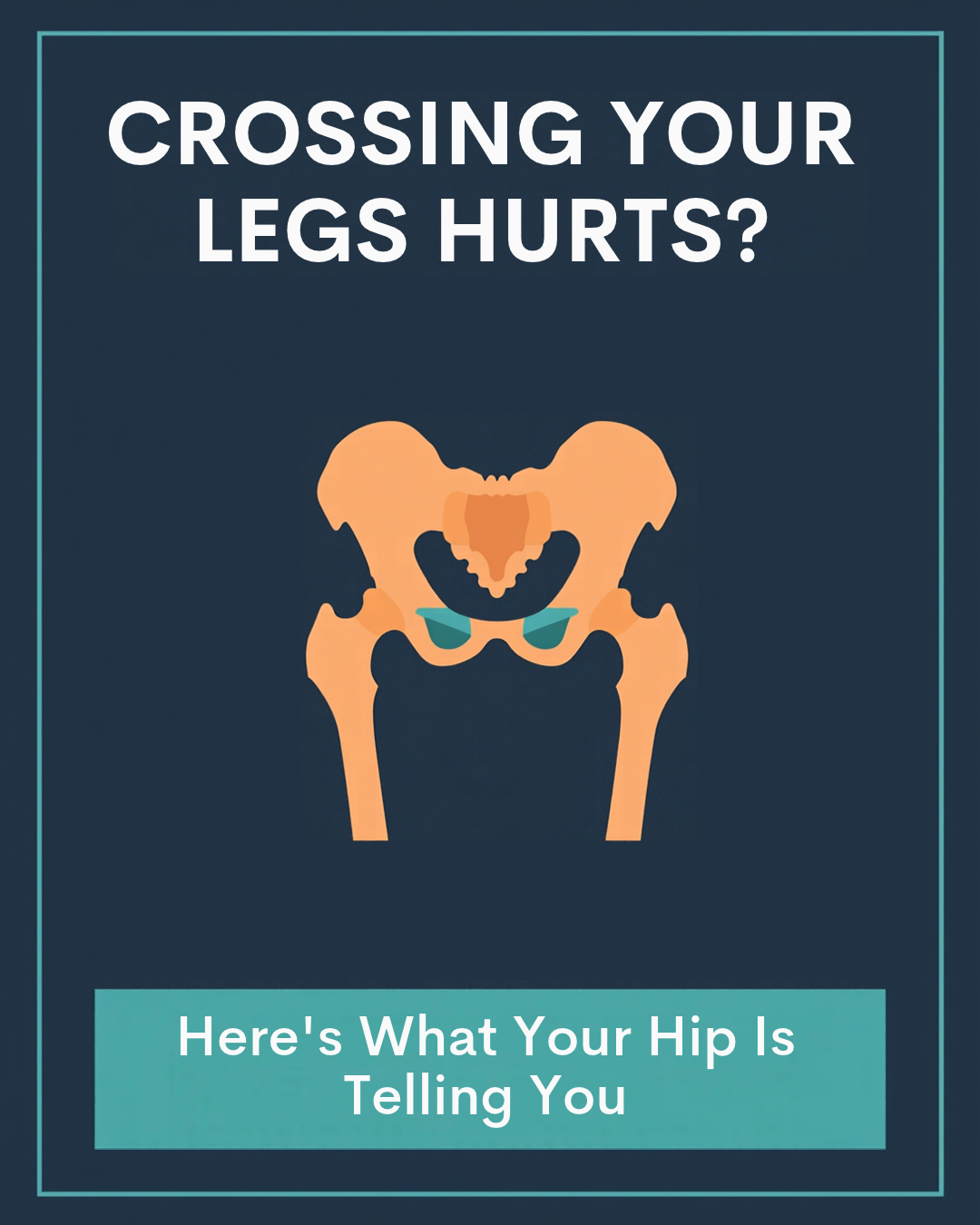
Crossing your legs isn’t damaging a healthy hip — 37% of pain-free people carry the exact bone shape you were told to worry about. But if crossing your legs produces a sharp pinch in the front of the hip, you’re accidentally running the same clinical test we use to assess impingement: flexion, adduction, and internal rotation all at once. At HealthFit in Pasadena, we read that signal with a Source-Cause-Stack approach — hands-on capsule work to restore the rotation you lost, exercise to strengthen through the new range, and regenerative therapy when the tissue itself is involved — all running together from day one.

Read More

Why Shockwave Therapy Only Hurts In One Spot (And What That's Telling You)

Why Shockwave Therapy Only Hurts In One Spot (And What That's Telling You)

When focused shockwave runs across a tendon, one small spot lights up while everything an inch away barely registers — and that’s not a side effect, it’s diagnostic information. Damaged tissue grows new nerve fibers alongside new blood vessels, making it louder, while disorganized fibers and scar tissue absorb more acoustic energy at the density change. At HealthFit in Pasadena, we use that “Ouch Map” the same way the largest placebo-controlled shockwave trial did — treating the most tender point the patient identifies — and build it into a Source-Cause-Stack approach with hands-on care, exercise, and EMTT running together from day one.

Read More

She Tore Her ACL on a Dive Boat. Then She Did the Opposite of What Most People Do.

She Tore Her ACL on a Dive Boat. Then She Did the Opposite of What Most People Do.

Most people wait after an ACL tear — they rest, protect the knee, and show up to surgery weaker than the day they got hurt. Liza did the opposite. She spent six weeks at HealthFit in Pasadena building strength before her reconstruction, then trained for seven months after it. Research shows extended prehab patients return to sport at significantly higher rates two years out. At ten months post-op, Liza has less body pain than before she tore it, more energy, and a trip to the Galapagos on the calendar — because the weeks before surgery turned out to be the highest-leverage weeks in her entire recovery.

Read More

The Quietest Way Ozempic Can Backfire on You (It's Not Your Muscle — It's Your Movement)

The Quietest Way Ozempic Can Backfire on You (It's Not Your Muscle — It's Your Movement)

New June 2026 research reveals that people on GLP-1 drugs like Ozempic aren't just losing weight — they're quietly moving less, dropping 500 daily steps and six minutes of exercise without realizing it. Combined with rapid weight loss, that reduced movement signals your body to burn muscle alongside fat, silently eroding the cardio capacity and metabolic engine you need long-term. At HealthFit in Pasadena, Dr. Jason Han uses baseline VO2 max and InBody testing, structured resistance training, and targeted protein plans to help GLP-1 patients lose the fat and keep the engine — then re-tests to prove it's working.

Read More

Frozen Shoulder: Why Stretching Harder Makes It Worse (And What Actually Works)

Frozen Shoulder: Why Stretching Harder Makes It Worse (And What Actually Works)

Frozen shoulder isn't a tight muscle you can stretch loose — it's an inflamed, contracting joint capsule stuck in a cycle that won't resolve on its own. Aggressive stretching during the freezing phase triggers your stress response and pours more fuel on the fire. At HealthFit in Pasadena, we deploy Hands + Exercise + Regen from Day 1 — one-on-one manual care to find your working edge without crossing it, EMTT and shockwave to break the inflammation loop at the cellular level, and phase-matched exercise that earns range of motion instead of forcing it.

Read More

The Real Reason You Haven't Fixed Your Injury Yet

The Real Reason You Haven't Fixed Your Injury Yet

The real reason your injury hasn't healed isn't that you're too busy — it's that no one told you what recovery actually costs in effort and consistency. With rehab non-adherence rates as high as 65 percent, most people stall at the Boredom Wall around week five, long before tissue has finished remodeling. At HealthFit in Pasadena, we use the Source-Cause-Stack framework to split the work honestly: we heal the source with hands-on care and regenerative tools like EMTT and shockwave from Day 1, while you address the cause with real, sustained effort past the point where it stops being interesting.

Read More

You Got Tested. Now Comes the Hard Part.

You Got Tested. Now Comes the Hard Part.

Most people who get their VO2 max tested never follow through on what the numbers demand — and that gap between knowing and changing is where longevity actually happens or doesn't. A Cleveland Clinic study of 122,000 patients found that low cardiorespiratory fitness carries more mortality risk than smoking or diabetes. At HealthFit in Pasadena, we build Longevity Blueprints around your real data — VO2 max, fat-burning zones, body composition — then close the Results Gap with a simple Zone 2 training plan, a retest date on the calendar, and the structure to make boring work stick.

Read More

Spinal Stenosis: The Conservative Pathway Before You Consider Back Surgery

Spinal Stenosis: The Conservative Pathway Before You Consider Back Surgery

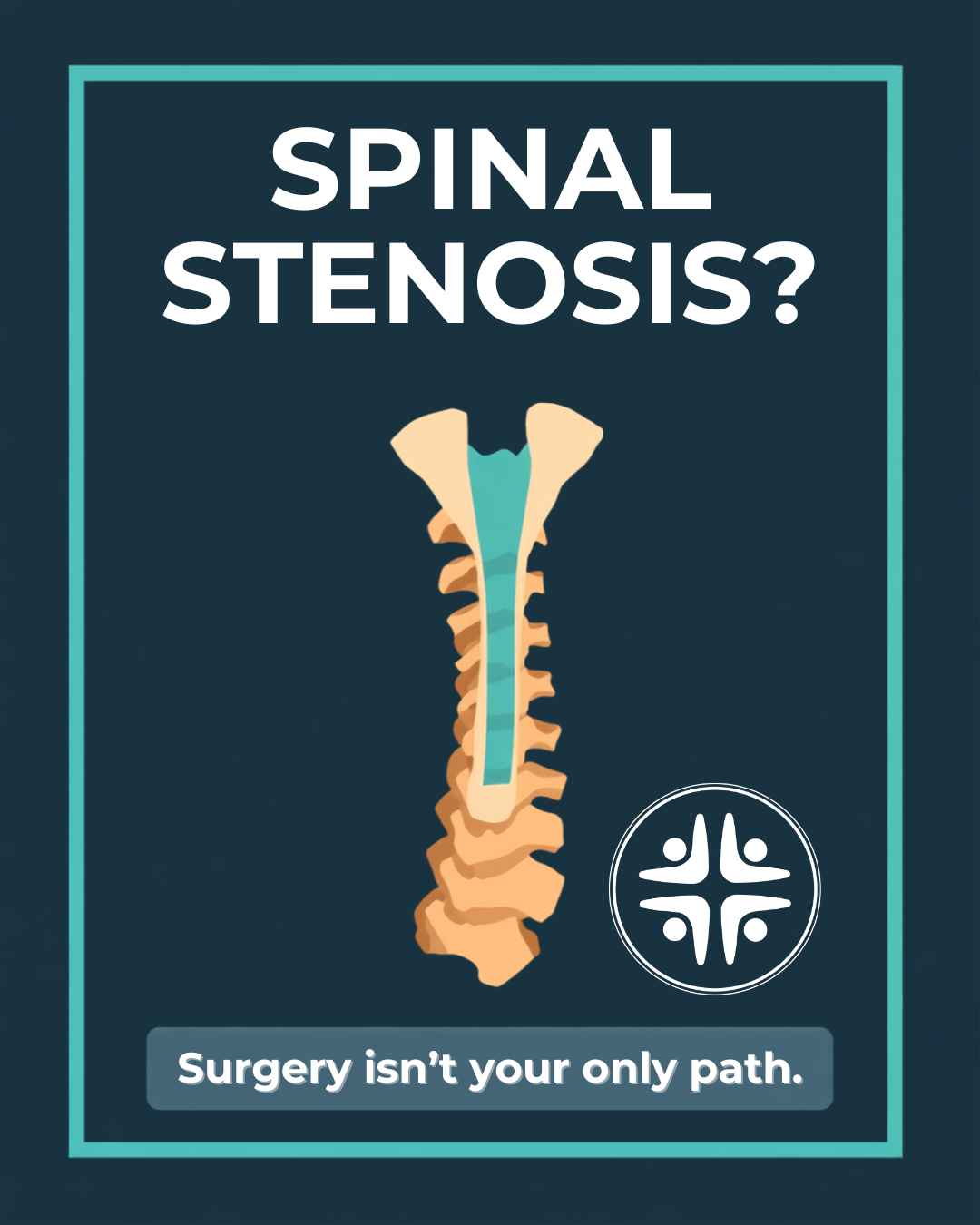
An MRI showing spinal stenosis doesn't automatically mean you need surgery — roughly 80% of people with radiographic narrowing have no symptoms at all. The real question is what's driving the overload on that segment. At HealthFit in Pasadena, we use the Source-Cause-Stack framework to treat both the narrowed canal and the hip, thoracic, and core deficits that produced the narrowing, deploying hands-on care, flexion-biased exercise, and regenerative tools like EMTT and shockwave from Day 1 — not as a last resort after failed PT.

Read More

Regenerative Therapy Just Went Multimodal: Why One Machine Was Never Going to Fix Your Tendon

Regenerative Therapy Just Went Multimodal: Why One Machine Was Never Going to Fix Your Tendon

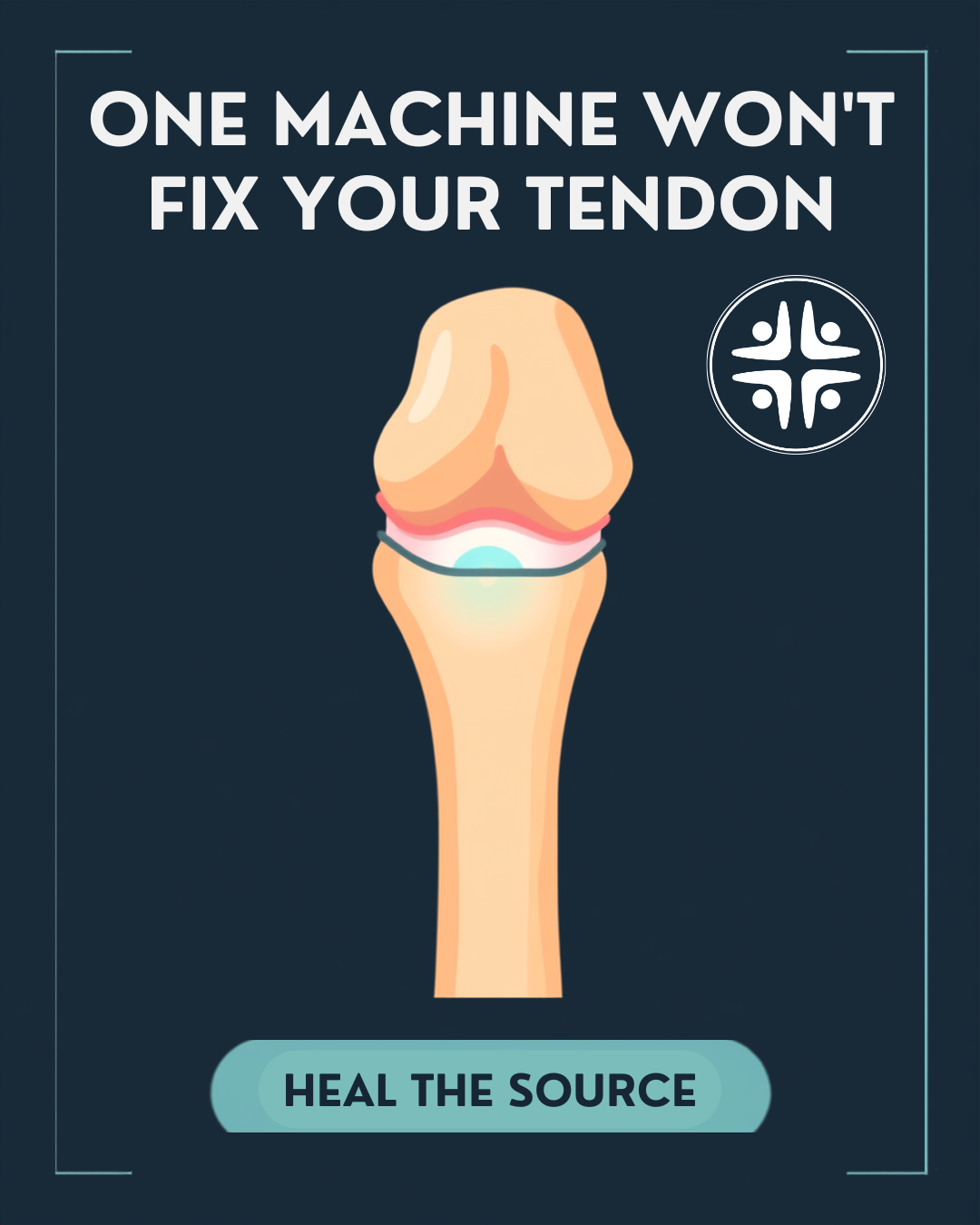
Damaged tissue doesn't have one problem — it has three: disorganized collagen (mechanical), stalled cell repair (biological), and drained cellular charge (electrical). A 2026 orthopedic review confirmed what HealthFit in Pasadena has practiced for two years: regenerative therapy works best when shockwave, EMTT, and PRP run together as a synergistic stack, not as competing single-tool solutions. We layer EMTT as the cellular foundation, focused shockwave for precision tissue remodeling, and radial pressure wave across the kinetic chain — all integrated with hands-on care and progressive loading from Day 1.

Read More