Why We Test Patients Who Feel Completely Fine

Why We Test Patients Who Feel Completely Fine

You feel fine. Your labs look fine. But in a study of over 120,000 adults, the least-fit group had five times the risk of dying early compared to the fittest — a bigger mortality gap than smoking, coronary artery disease, or diabetes. And almost none of them felt sick. At HealthFit in Pasadena, Dr. Jason Han tests what he calls the Silent Five: VO2 max, training zones, lean muscle mass, metabolic flexibility, and grip strength. None of them hurt. All of them matter. Every result maps onto your Longevity Blueprint — a precision health plan built from your real data, not a generic template. The patients he worries about most aren't the ones in pain. They're the ones who feel great and never look under the hood. Stop guessing. Test, don't guess.

Read More

The Diseases of Aging Start Decades Before the Diagnosis (Here's Why You Test Now)

The Diseases of Aging Start Decades Before the Diagnosis (Here's Why You Test Now)

During the Korean War, doctors found visible heart disease in 77% of soldiers killed in combat — average age twenty-two. No symptoms. No warning signs. The disease was already decades ahead of any diagnosis. That gap between when disease begins and when you finally feel it is where the real damage accumulates — heart disease starts as fatty streaks in the teens, Alzheimer's markers build fifteen to twenty years before the first memory slip, and lean muscle starts declining in your thirties. At HealthFit in Pasadena, the Longevity Blueprint measures what your body is actually doing right now — clinical-grade VO2 max, body composition including visceral fat, strength, balance, and movement quality — while you still feel fine. Because "fine" is exactly the window where you have the most leverage. Stop guessing. Start testing.

Read More

HBOT for Brain Fog: What the 2026 Research Actually Shows

HBOT for Brain Fog: What the 2026 Research Actually Shows

Brain fog isn't a diagnosis — it's a signal that something upstream is off, usually inflammation, poor sleep, chronic stress, or reduced blood flow to the brain. Hyperbaric oxygen therapy can deliver oxygen to sluggish tissue, calm inflammation, and support neuroplasticity, but the strongest results come from structured protocols in specific populations — not one-off sessions. In a randomized controlled trial of 63 healthy adults over 64, a course of 60 sessions at higher pressure produced measurable gains in attention and processing speed on objective neuropsychological testing. At HealthFit in Pasadena, HBOT is offered at three pressure levels — 1.3, 1.5, and 2.0 ATA — matched to your goal and tolerance, and it's never treated as a standalone fix. It sits inside an integrated plan that addresses sleep, movement, inflammation, and stress. Test, don't guess. Your brain isn't broken — it's running short. Give it what it's been missing, with a plan behind it.

Read More

GLP-1 Was Found Inside Arthritic Joints. Here's What That Means for Your Knee.

GLP-1 Was Found Inside Arthritic Joints. Here's What That Means for Your Knee.

In 2026, researchers in Denmark found GLP-1 — the same hormone mimicked by Ozempic and Wegovy — sitting inside the synovial fluid of arthritic joints, along with the enzyme that regulates it. It was the first time this hormone had been documented inside the knee. Patients on these medications are reporting real pain relief, backed by the STEP 9 trial in the New England Journal of Medicine. But those same patients also lost nearly 14% of their body weight — and every pound translates to several pounds of force through the joint. Whether the relief comes from the drug acting on the joint or from the weight coming off is still being worked out. At HealthFit in Pasadena, Dr. Jason Han treats knee arthritis through the Source-Cause-Stack — hands-on care, targeted loading, and regenerative therapy with EMTT, focused shockwave, and radial pressure wave from Day 1 — because waiting for a magic shot isn't a plan. Your knee is sending you a message. The source is the tissue. The cause is upstream. Treat both, together, from the start.

Read More

Starting Something New This Summer? The World Cup Just Taught You How to Get Hurt

Starting Something New This Summer? The World Cup Just Taught You How to Get Hurt

The injuries piling up at the World Cup aren't random — they follow the same pattern that takes down weekend warriors, new gym-goers, and anyone starting a new activity this summer. Load spikes, not hard work, are the real cause of non-contact injuries. At HealthFit Physical Therapy & Chiropractic in Pasadena, Dr. Jason Han explains why a sudden jump in activity is the single biggest injury risk — and how a smart, individualized plan built around your body and your goal can help you start strong without the setback.

Read More

Why Some Tendons Won't Heal — and What New Lab Data on EMTT Reveals

Why Some Tendons Won't Heal — and What New Lab Data on EMTT Reveals

When a tendon gets damaged and won't bounce back, the problem may not be your effort — it may be senescent cells sitting inside the tissue, leaking inflammation and blocking repair. A 2025 study in the International Journal of Molecular Sciences exposed real human tendon cells to EMTT and found that the senescent-cell marker dropped significantly while active repair-cell markers rose, collagen production increased, and cell migration resumed. The researchers described it as a "senolytic-like" effect — the tissue shifted back toward a repair state. At HealthFit in Pasadena, EMTT is the foundation layer of the regenerative stack, paired with focused shockwave and radial pressure wave alongside hands-on therapy and targeted exercise from Day 1. The science is starting to explain what we've watched unfold in clinic for years: cells have to be awake and communicating before anything else can do its best work.

Read More

Pickleball Knee: The Lunge Pattern Your Body Was Never Trained For

Pickleball Knee: The Lunge Pattern Your Body Was Never Trained For

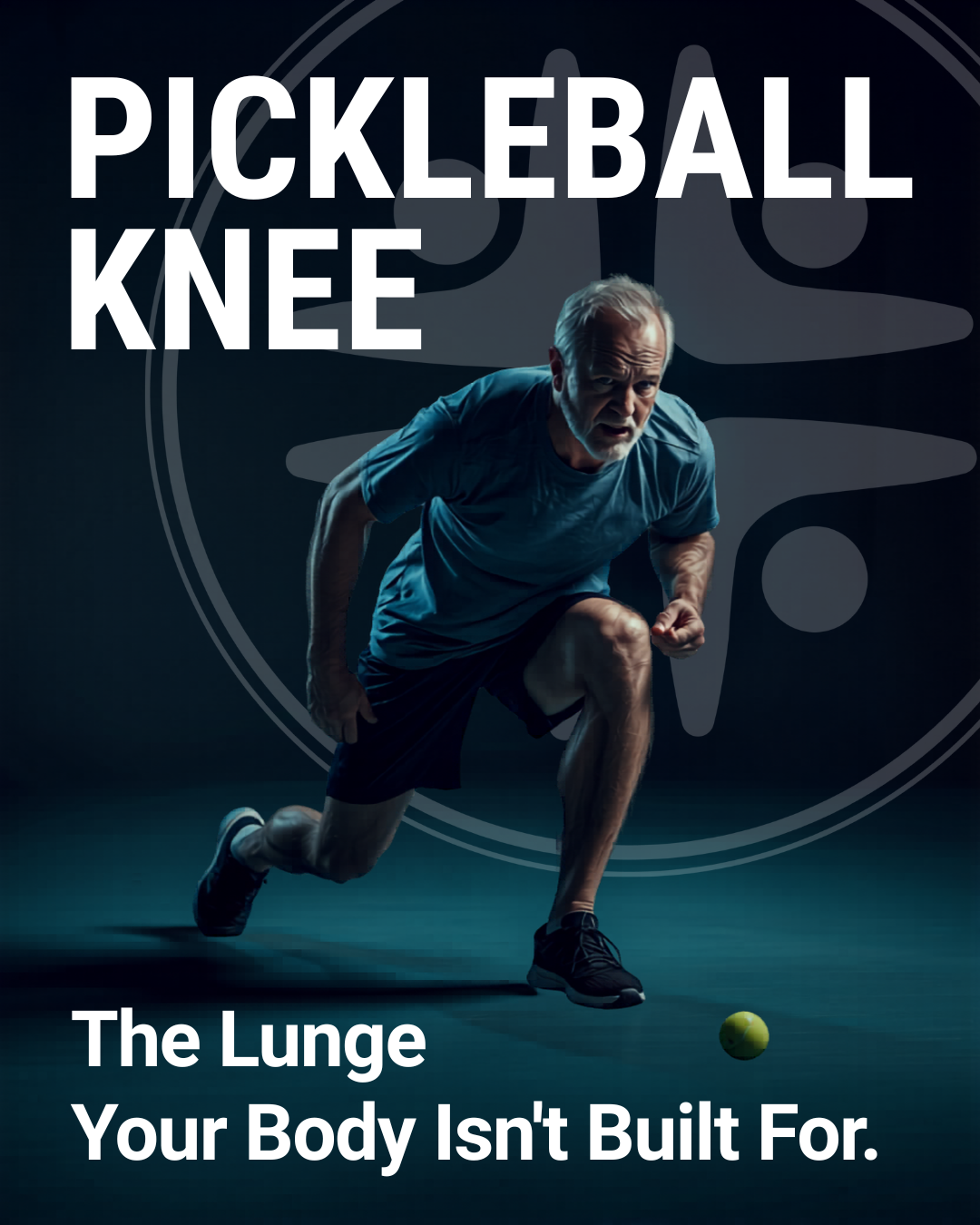
If you've been told you need knee surgery because of pickleball, pause. A New England Journal of Medicine sham-surgery trial showed arthroscopic meniscectomy performed no better than fake surgery for degenerative tears — and 31% of pain-free adults in their fifties already have a meniscus tear on imaging. The tear was likely there long before pickleball. What pickleball exposed was a lunge pattern your body was never trained for — weak hip stabilizers, limited ankle dorsiflexion, poor deceleration mechanics, and a knee absorbing forces it was never designed to handle alone. At HealthFit in Pasadena, Dr. Jason Han treats pickleball knee through the full kinetic chain while using EMTT, focused shockwave, and radial pressure wave to address the degenerated tissue from Day 1. Before you go invasive, let someone look at the whole picture.

Read More

Inside a HealthFit Pickleball Assessment: What Real Treatment Looks Like

Inside a HealthFit Pickleball Assessment: What Real Treatment Looks Like

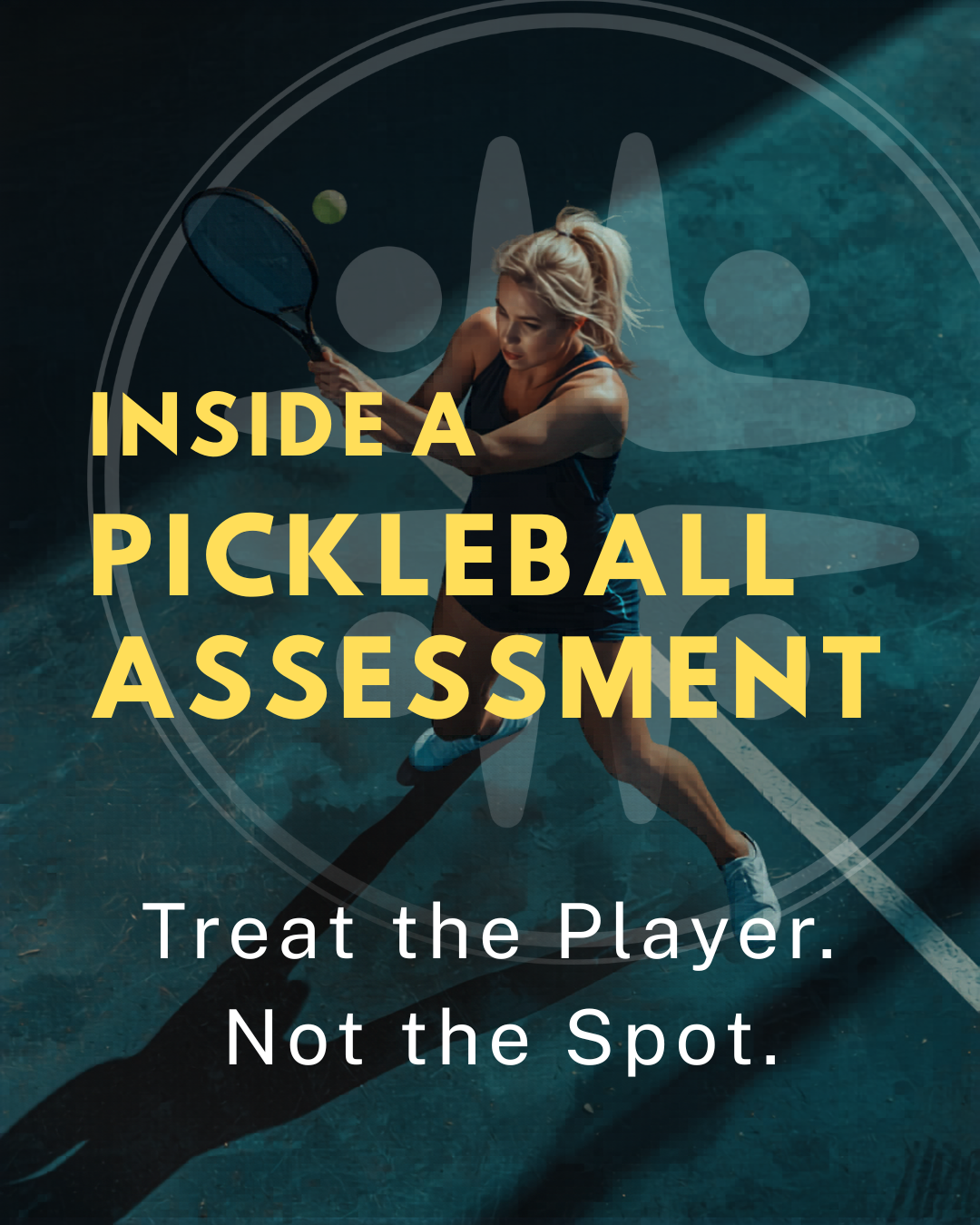
When most pickleball players walk into a clinic with an injury, they get ten minutes, an imaging order, and a treatment plan based on the scan. At HealthFit in Pasadena, they get a real conversation about their history, a full kinetic chain evaluation from neck to feet, 3D movement analysis that shows exactly where the chain is breaking down, and a tissue-level assessment of what's actually degenerated. The research is clear — 80% of pain-free 50-year-olds have disc degeneration on MRI, 23% have a rotator cuff tear, and 31% have a meniscus tear. Imaging shows what's there. It doesn't show what's causing the pain. HealthFit builds every plan around the Source-Cause-Stack framework — hands-on care, targeted exercise, and regenerative therapy with EMTT, focused shockwave, and radial pressure wave, all deployed in parallel from Day 1. Treat the player. Not just the spot.

Read More

Pickleball Shoulder: The Overhead Smash Injury Nobody Treats Right

Pickleball Shoulder: The Overhead Smash Injury Nobody Treats Right

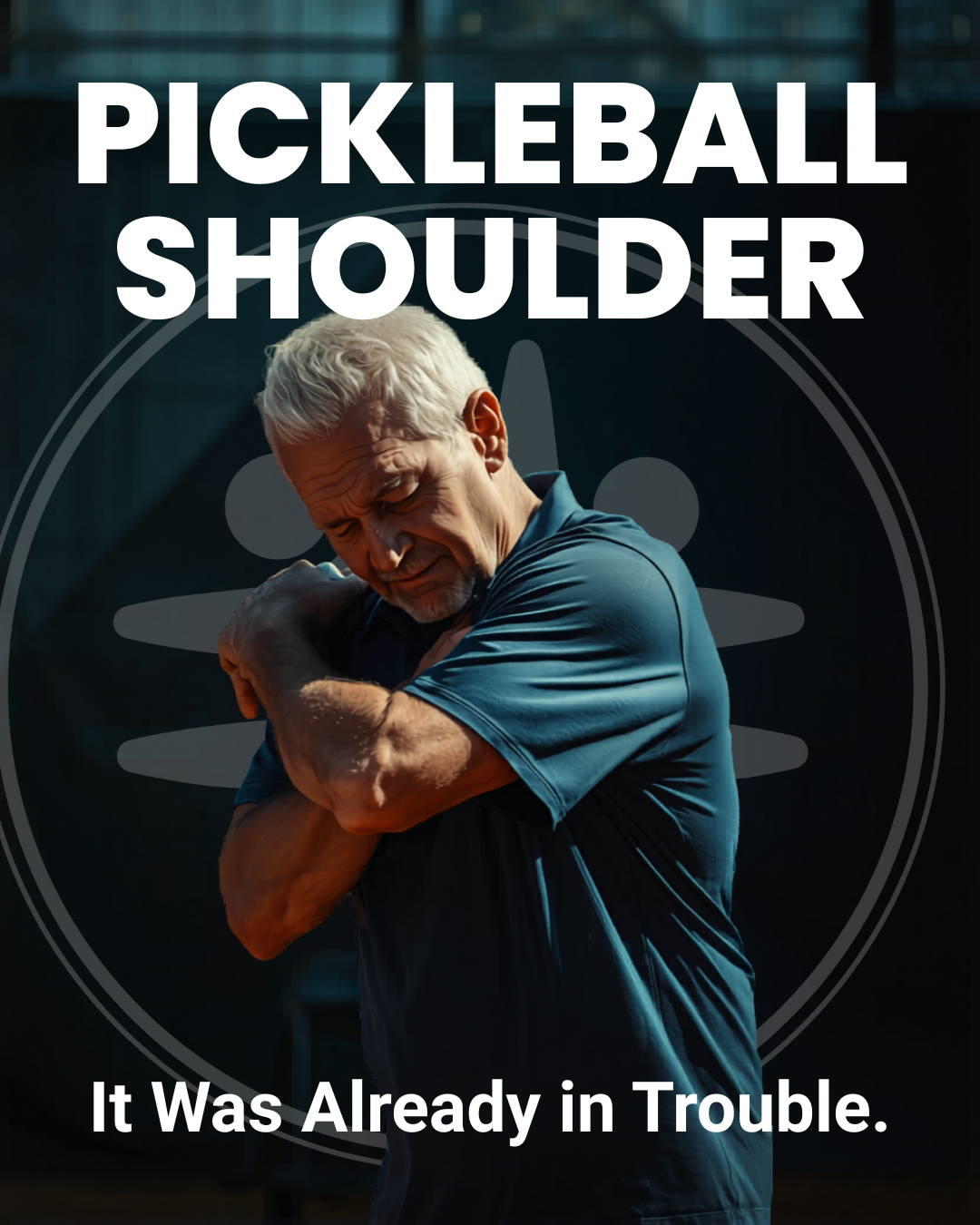
If your shoulder started hurting after a pickleball smash, there's a real chance the rotator cuff was already torn before you ever picked up a paddle. Research shows nearly one in four pain-free adults over fifty has a rotator cuff tear on imaging — pickleball just exposed it. Every overhead smash, serve, and backhand drive loads a shoulder that was already on borrowed time, especially when scapular control has declined, the thoracic spine is stiff from decades of desk work, and the trunk can't transfer force the way it should. At HealthFit in Pasadena, Dr. Jason Han treats pickleball shoulder through the full kinetic chain — shoulder blade mechanics, thoracic mobility, cervical function, core stability, and lower-body power transfer — while using EMTT, focused shockwave, and radial pressure wave to heal the degenerated tendon tissue and even disperse calcific deposits from Day 1. Your shoulder didn't break the day it started hurting. It broke down over years. Treat the tissue and the chain together, from the start.

Read More

Pickleball Elbow Isn't Tennis Elbow — Why Your Treatment Isn't Working

Pickleball Elbow Isn't Tennis Elbow — Why Your Treatment Isn't Working

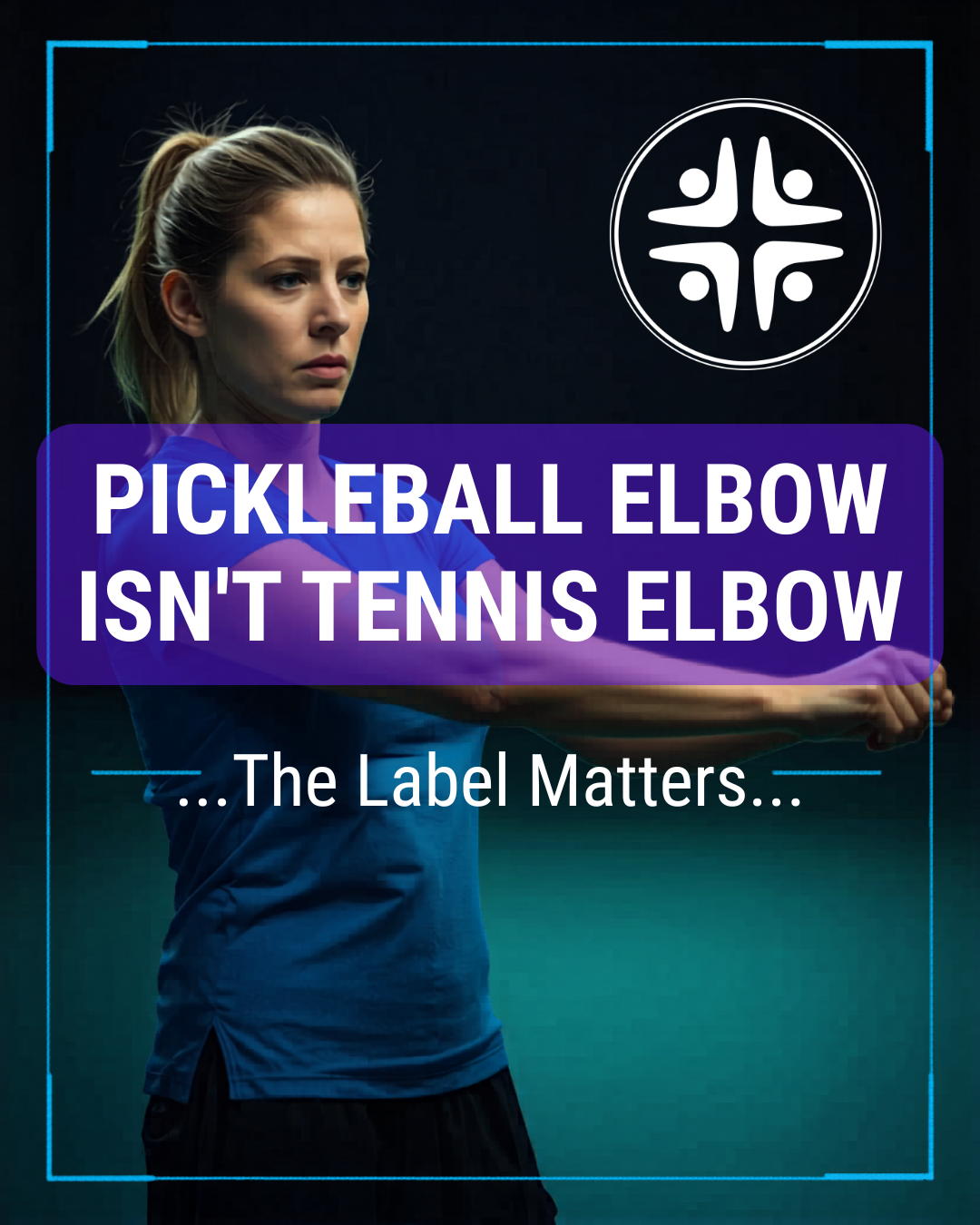
If your doctor called your pickleball elbow "tennis elbow," the label is half right — and the half that's wrong is exactly why your treatment isn't working. Pickleball paddles transmit more vibration than strung racquets, the wrist mechanics are shorter and more repetitive, and the average player's tendon already has decades of wear. That's not inflammation — it's degeneration. And the most common treatment, cortisone, has been shown to produce worse outcomes at twelve months than doing nothing at all. At HealthFit in Pasadena, Dr. Jason Han treats pickleball elbow through the full kinetic chain — grip strength, scapular control, cervical and thoracic mobility, hip mechanics — while using EMTT, focused shockwave, and radial pressure wave to stimulate real collagen remodeling in the degenerated tendon from Day 1. The label matters because the label drives the treatment. Treat the right injury, the right way, from the start.

Read More